Sixty-one streets, 4,000 shops, 560 years of commerce: the Grand Bazaar is the world’s original shopping mall. Shop it like a pro with this guide.
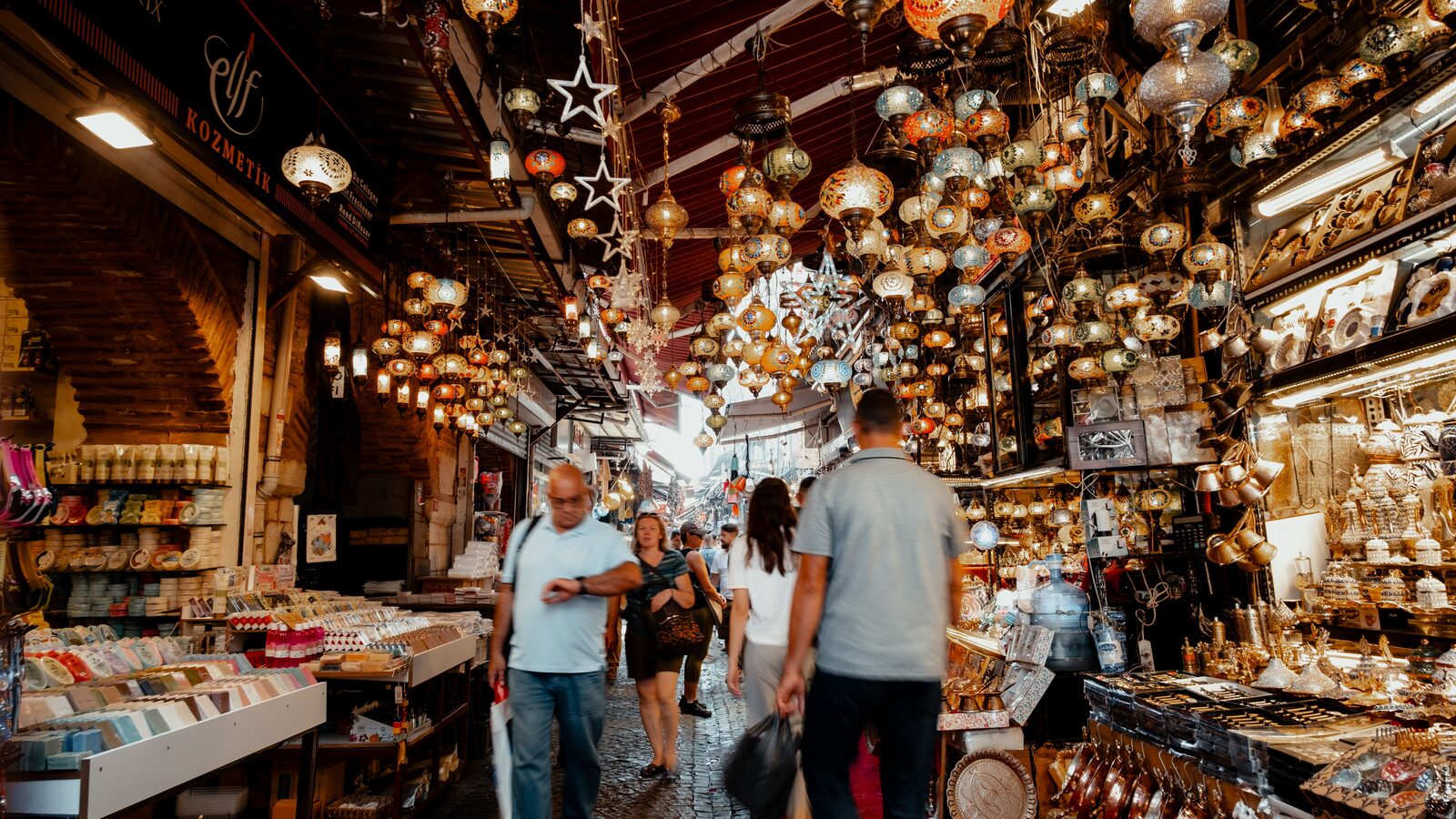
Commissioned by Mehmed the Conqueror in 1455, Istanbul’s Kapalıçarşı (“Covered Market”) is one of the oldest and largest covered markets on Earth — 61 streets, some 4,000 shops, and centuries of haggling echoing under its painted vaults. It can overwhelm; it should delight. Here is how.
What to Buy
- Carpets & kilims: the classic Turkish purchase. Learn the difference between wool, cotton and silk; a good dealer will happily unroll fifty and teach you.
- Ceramics: hand-painted İznik- and Kütahya-style bowls, plates and tiles.
- Gold & jewellery: sold by weight along the glittering Kalpakçılar Avenue — Istanbul’s traditional gold market.
- Lamps & copperware: mosaic lamps, hammered copper coffee pots (cezve) and trays.
- Textiles: peştemals, silk scarves and pashminas.
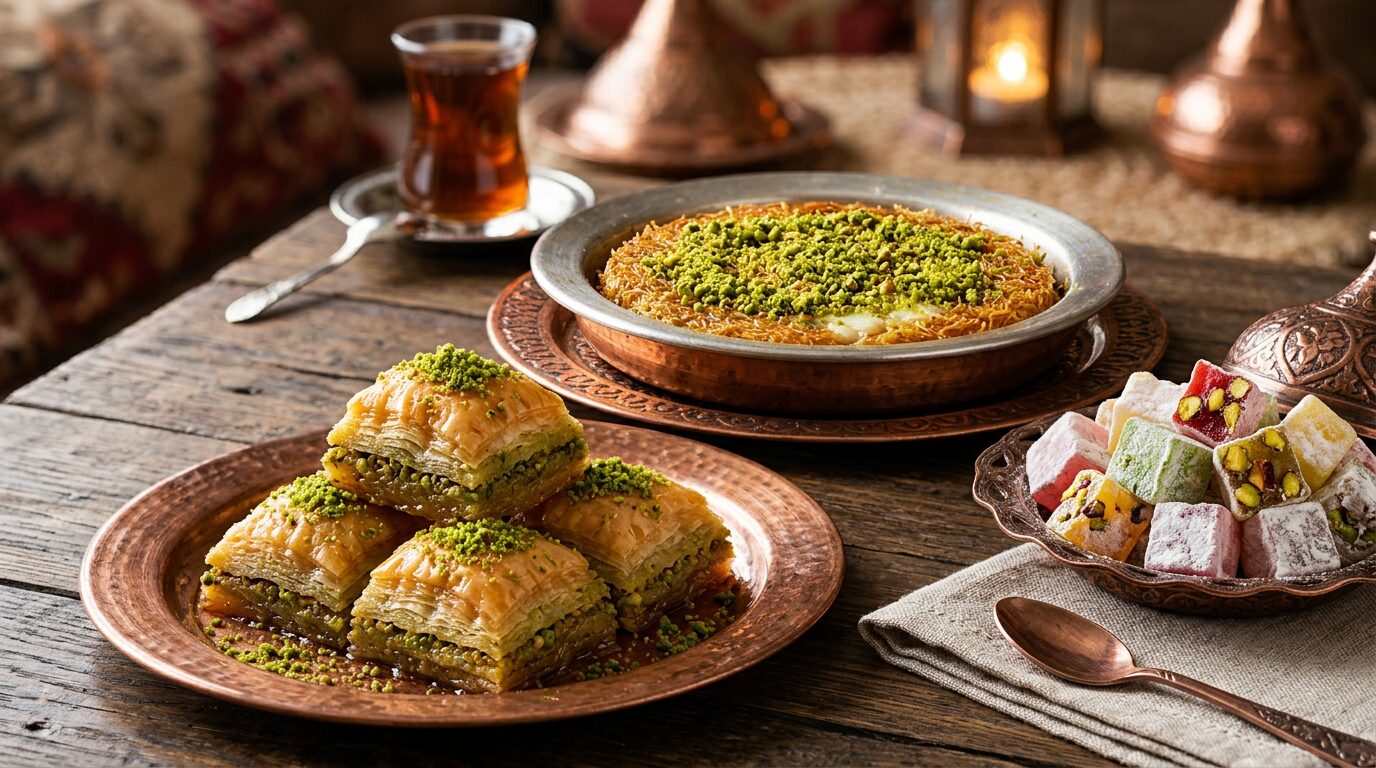
- Lokum & spices: though the best edible shopping is at the nearby Spice (Egyptian) Bazaar — saffron, pistachios, dried fruit, and Turkish delight cut fresh from the block (see our food guide).
How to Bargain (Politely)
Bargaining is expected on unpriced handcrafts — and it is a social ritual, not a battle. Accept the tea. Show genuine interest, ask the price, counter at roughly half to two-thirds, and settle somewhere in the middle with a smile. Golden rules: never open negotiations on an item you would not actually buy, keep it friendly, and remember the walk-away — politely leaving often produces the best price of the day. Fixed-price items (gold by weight, branded goods) are not bargained.
Navigating & Avoiding Tourist Traps
Enter by the Beyazıt or Nuruosmaniye gates and let yourself get lost — that is the point — but note landmarks: the central İç Bedesten (Old Bazaar) holds the finest antiques. Red flags: “genuine” silk carpets at impossible prices, machine-made “hand-painted” ceramics, and anyone in too much of a hurry. Quality dealers explain provenance, issue certificates for carpets and antiques, and arrange insured shipping. Weekday mornings are calmest; the bazaar closes on Sundays.
Beyond the Bazaar
Serious shoppers should add the Spice Bazaar and Arasta Bazaar (behind the Blue Mosque, calmer and curated), and Çukurcuma’s antique shops in Beyoğlu. Prefer a guided shopping tour with a local expert who knows the honest workshops? See our Istanbul tours or build a custom day around your shopping list.
Frequently Asked Questions
What is the Grand Bazaar famous for?
Dating to 1455, it is one of the world’s oldest and largest covered markets — 61 streets and about 4,000 shops selling carpets, gold, ceramics, lamps, textiles, leather and antiques.
Should you haggle in the Grand Bazaar?
Yes, on unpriced handcrafted items — counter at about half to two-thirds of the opening price and settle in the middle, always with good humour. Gold sold by weight and fixed-price goods are not negotiated.
Is the Grand Bazaar open every day?
It is open Monday to Saturday, roughly 08:30–19:00, and closed on Sundays and religious holiday mornings. Weekday mornings are the quietest time to visit.
Plan Your Türkiye Trip With Local Experts
Licensed TÜRSAB agency — tours, transfers, visas and tailor-made itineraries across Türkiye.