From the Seven Churches to the birthplace of St Paul, Turkey is one vast open-air chapter of the New Testament. Here is the essential map of its biblical sites.
Türkiye is often called the “other Holy Land.” More of the New Testament unfolded on this soil than anywhere outside Israel, and the early Church took shape in its cities. This overview brings the key biblical sites together so you can plan a journey around them.
The Aegean & Ephesus
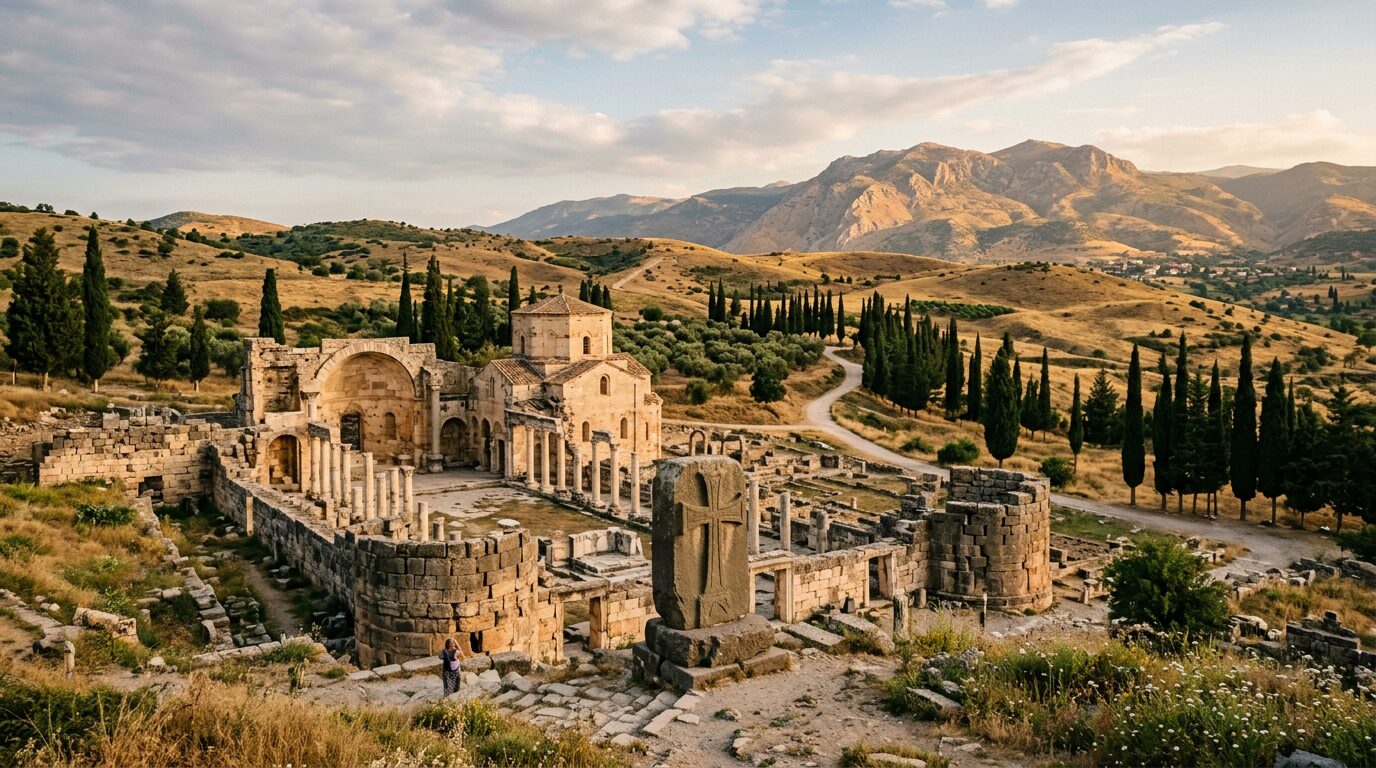
Ephesus, the House of the Virgin Mary and the Seven Churches of Revelation form the heart of biblical Turkey — see our dedicated Seven Churches guide.
The South & St Paul
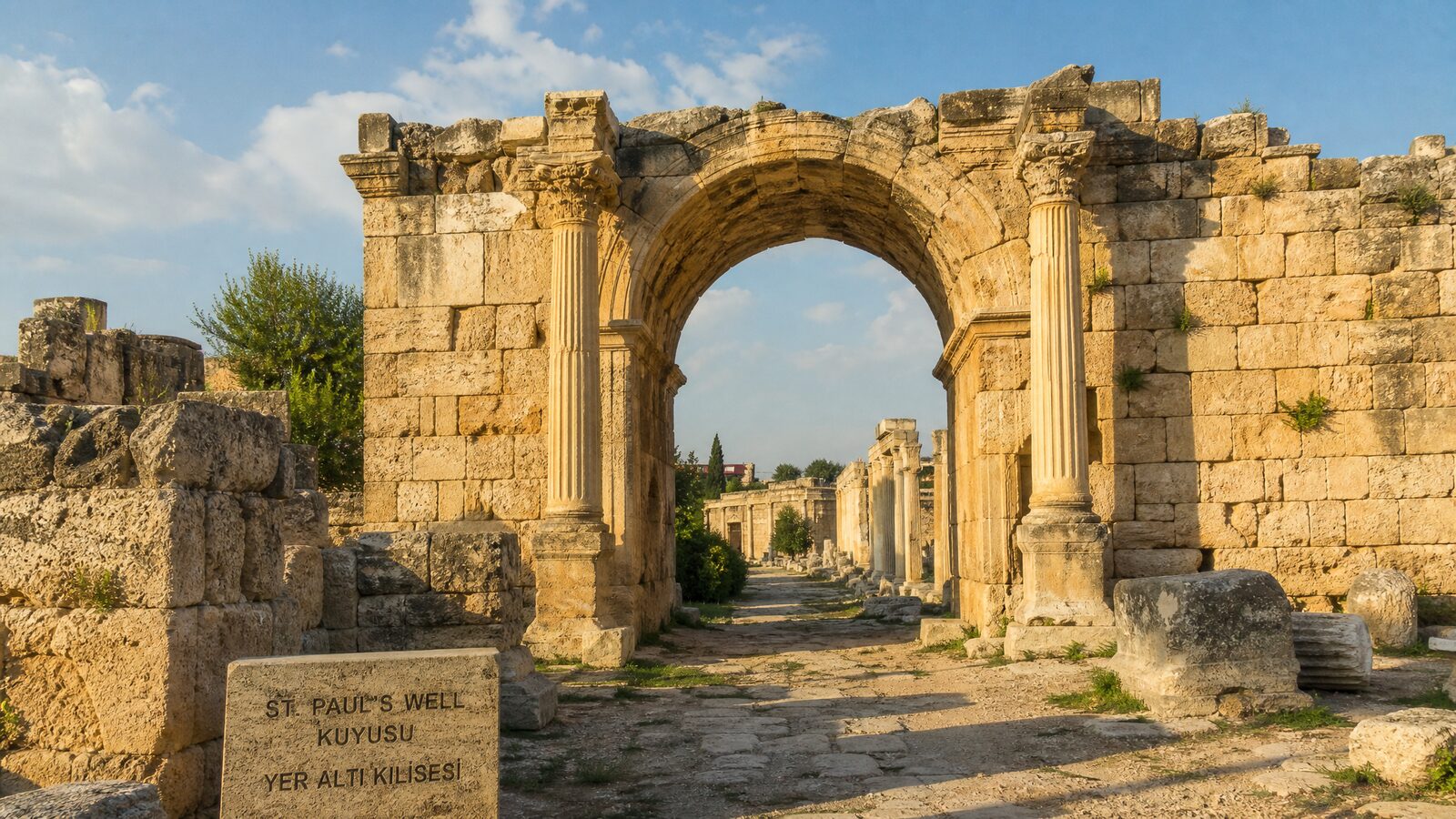
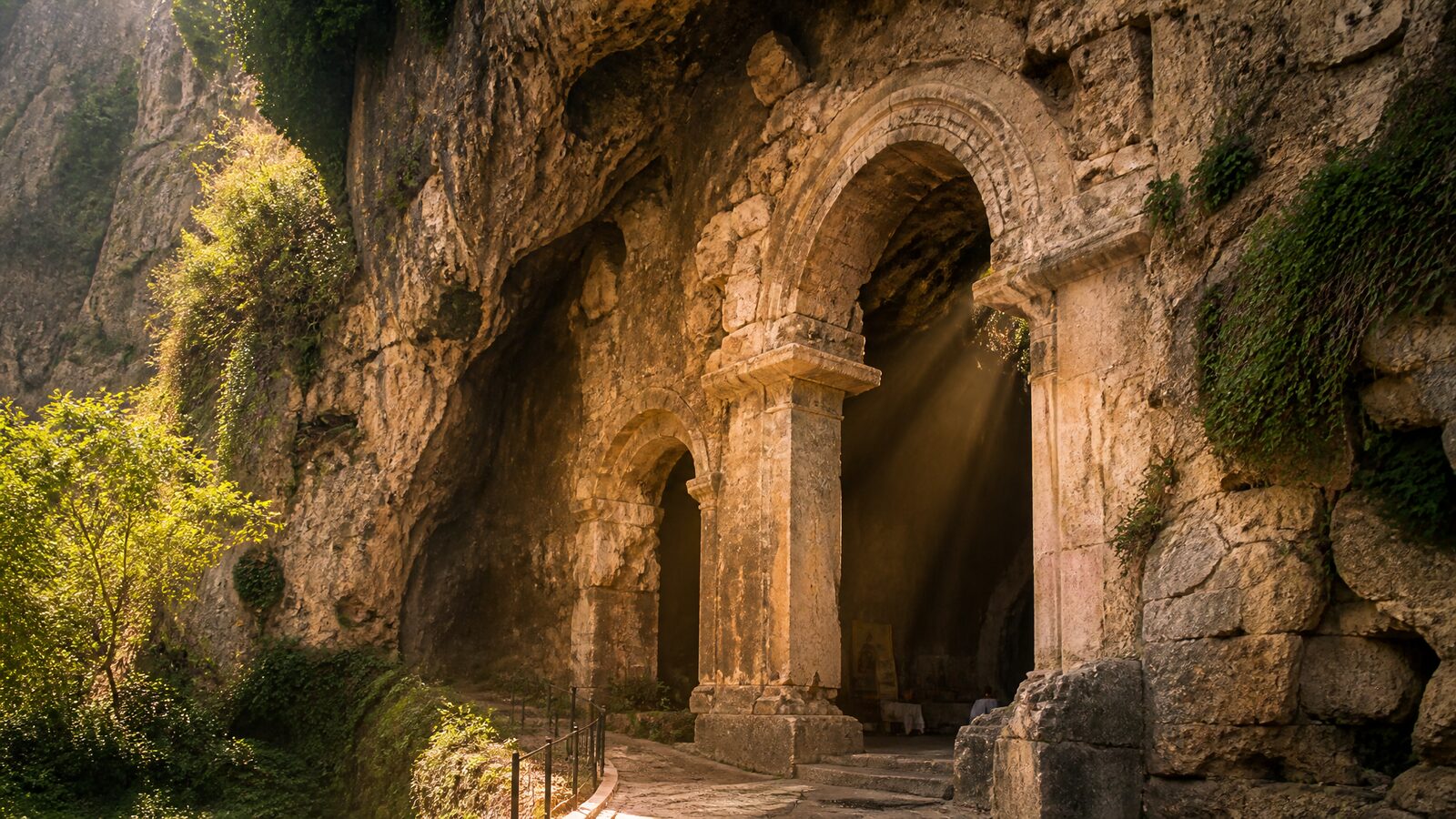
Tarsus (Paul’s birthplace), Antioch/Antakya (where believers were first called Christians) and Pisidian Antioch trace the Apostle’s journeys — explored in our footsteps of St Paul guide.
Central & Eastern Turkey
Cappadocia’s cave churches, Nicaea (İznik) — site of the first ecumenical council — and Mount Ararat complete the picture. In Istanbul, Hagia Sophia and the Chora Church crown any biblical itinerary. Let our faith tourism team combine them into one seamless journey.
Frequently Asked Questions
What biblical sites can you see in Turkey?
Highlights include Ephesus, the House of the Virgin Mary, the Seven Churches of Revelation, Tarsus, Antioch (Antakya), Pisidian Antioch, Cappadocia’s cave churches, Nicaea (İznik), Mount Ararat, and Hagia Sophia and the Chora Church in Istanbul.
How long does it take to see the main biblical sites in Turkey?
A comprehensive biblical tour usually takes 10–14 days, covering the Aegean (Ephesus and the Seven Churches), the south (St Paul’s sites), Cappadocia and Istanbul.
Is Turkey called the Other Holy Land?
Yes. Because so much of the New Testament and early Church history took place there, Turkey is often described as the “other Holy Land” for Christian travellers.
Plan Your Türkiye Trip With Local Experts
Licensed TÜRSAB agency — tours, transfers, visas and tailor-made itineraries across Türkiye.