Seven young believers flee a tyrant, hide in a cave, and fall asleep — only to wake three centuries later to a changed world. It is one of the great legends of both Christianity and Islam, and you can visit the cave in Turkey.
It is a story so beautiful that two of the world’s great faiths claim it, and neither will let it go. In the days of Roman persecution, so the legend runs, seven young men refused to renounce their God. Fleeing the tyrant’s soldiers, they took shelter in a mountain cave and lay down to sleep — and God sealed their eyes. When they woke, hungry and stiff, one of them crept into town to buy bread, only to find that his coins were ancient, the temples gone, and crosses raised over the city. They had slept not for a night, but for three hundred years. The persecuted had become the faithful of a whole empire.
A Legend Shared by Two Faiths
Christians call them the Seven Sleepers of Ephesus; Muslims know them as the Ashab al-Kahf — the “Companions of the Cave” — and their story is told in its own chapter of the Qur’an, Surah al-Kahf, complete with the faithful dog, Qitmir, who guarded the cave mouth. For over a thousand years the tale has been a symbol of resurrection, of trust in God through impossible odds, and of the mysterious passage of time. Few legends are so tenderly held by so many.
The Cave Near Tarsus
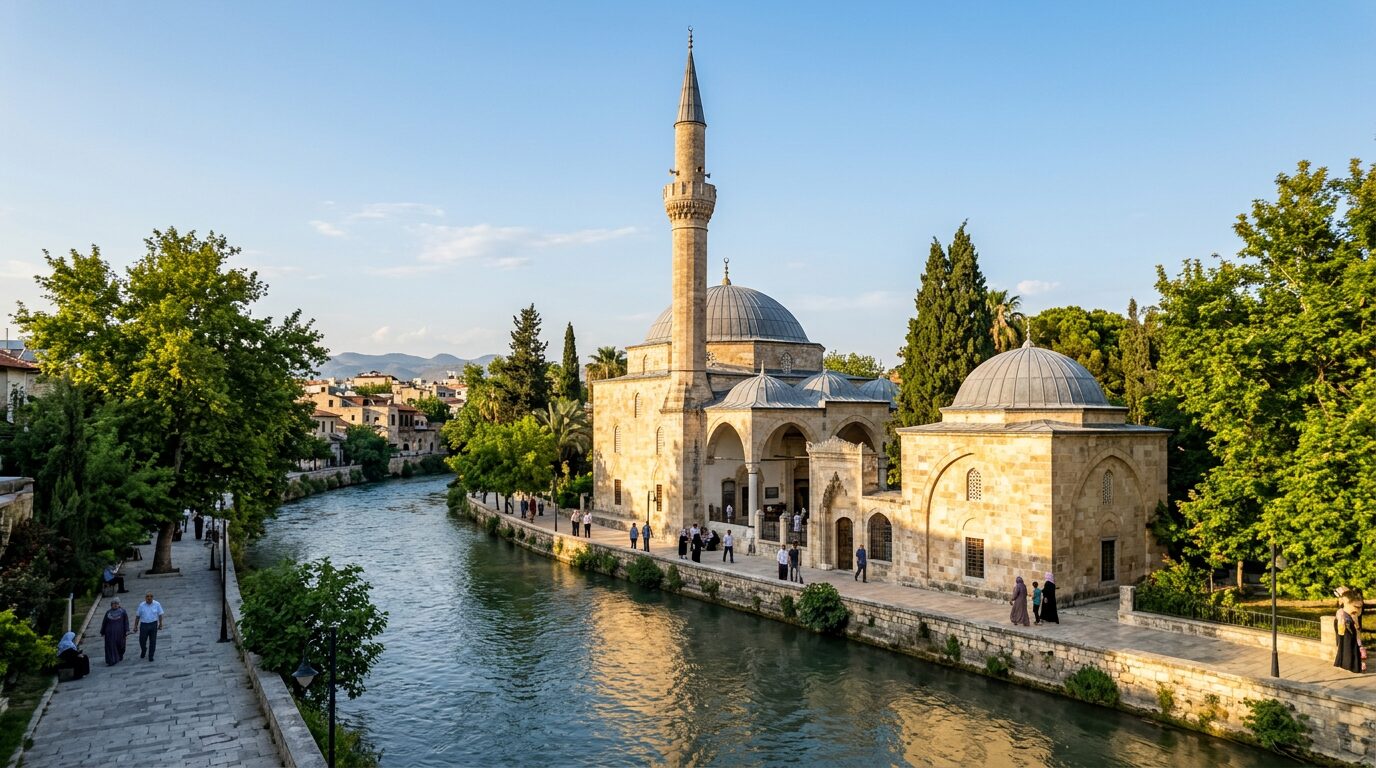
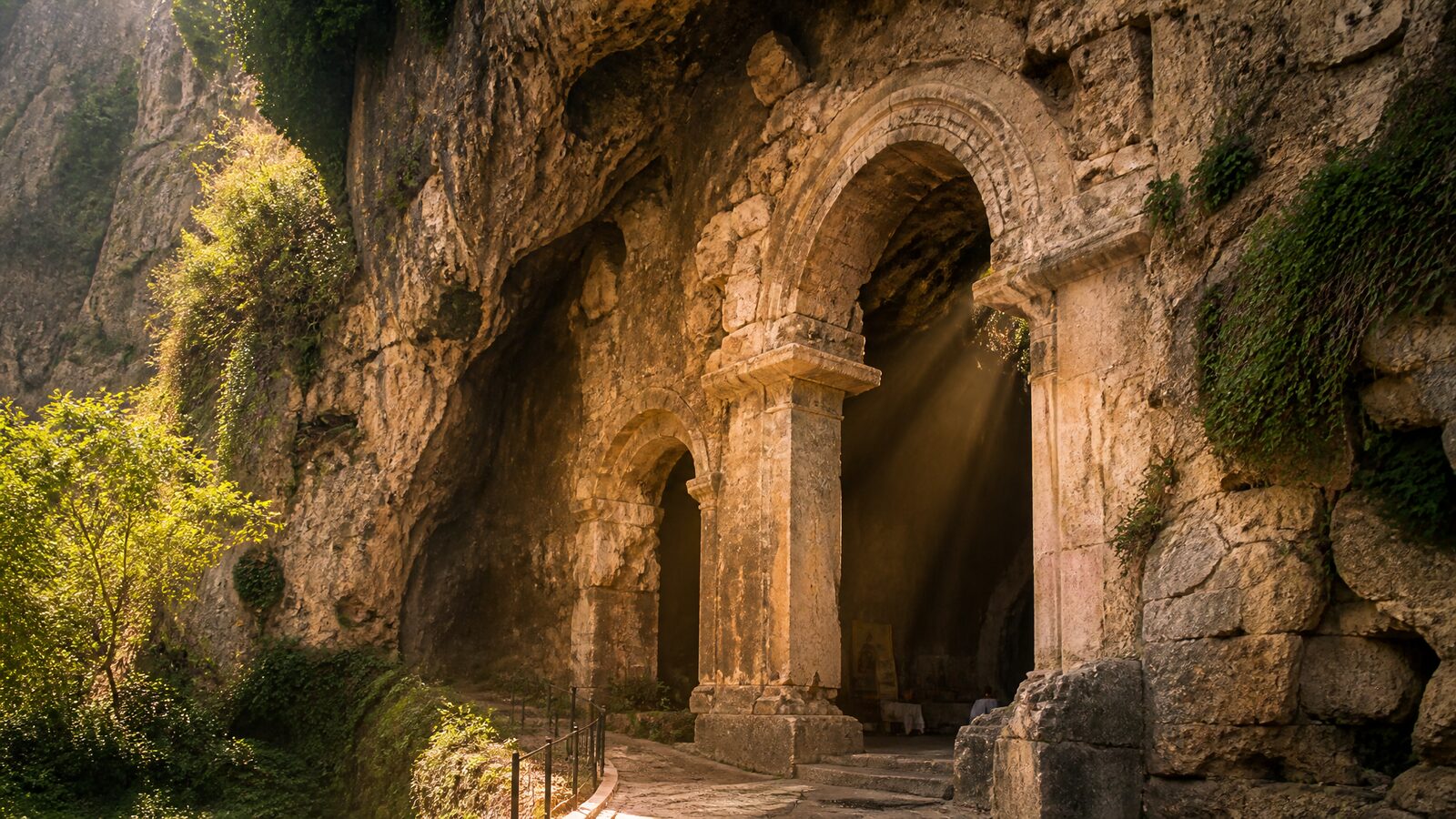
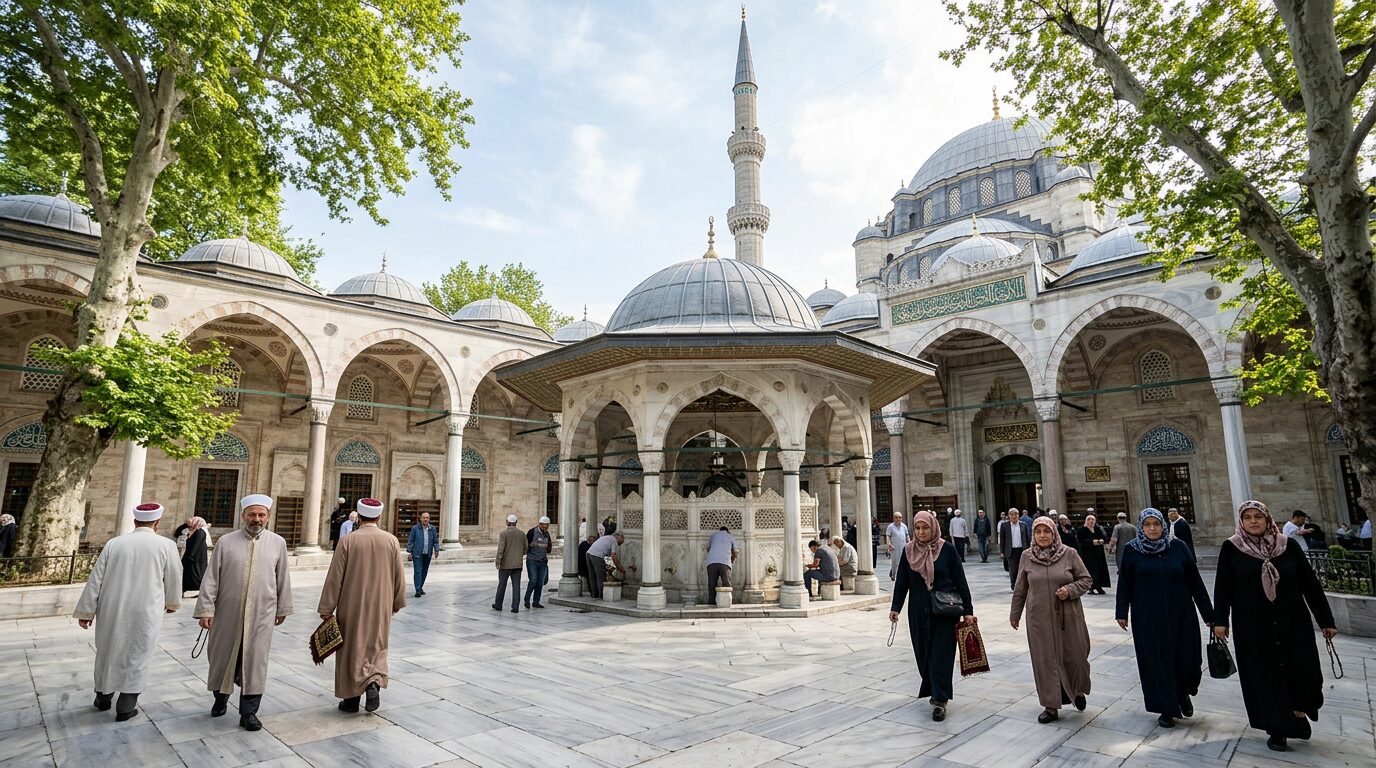
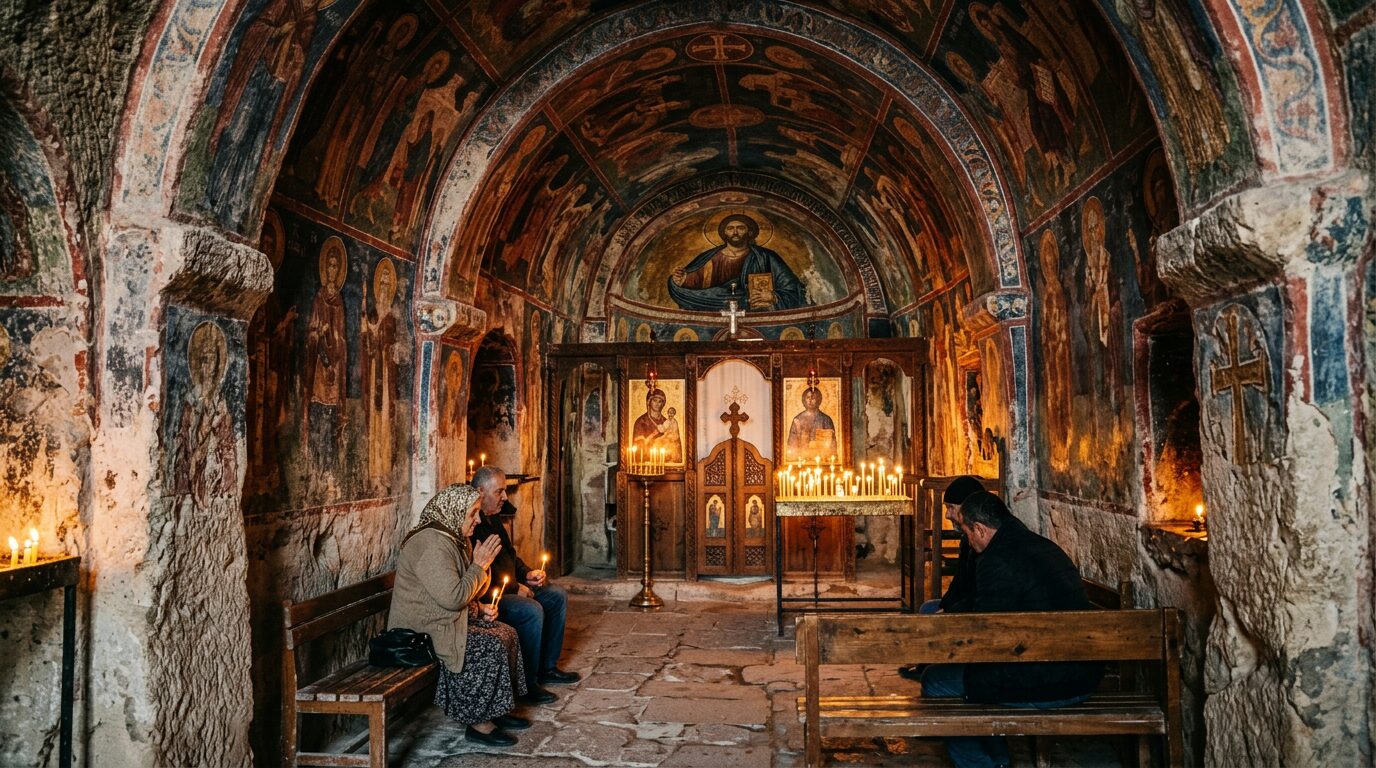
Several places across the old Roman world claim the cave, but one of the most atmospheric lies in the hills above Tarsus, in southern Turkey — the Aşhab-ı Kehf (Bencilus) cave, reached by a short climb to a shaded mountainside where a mosque and shrine now mark the site. Pilgrims of both faiths come to pray, to light candles, and to peer into the dim mouth of the rock where, they believe, seven young men once slept away the centuries.
Why the Story Still Moves Us
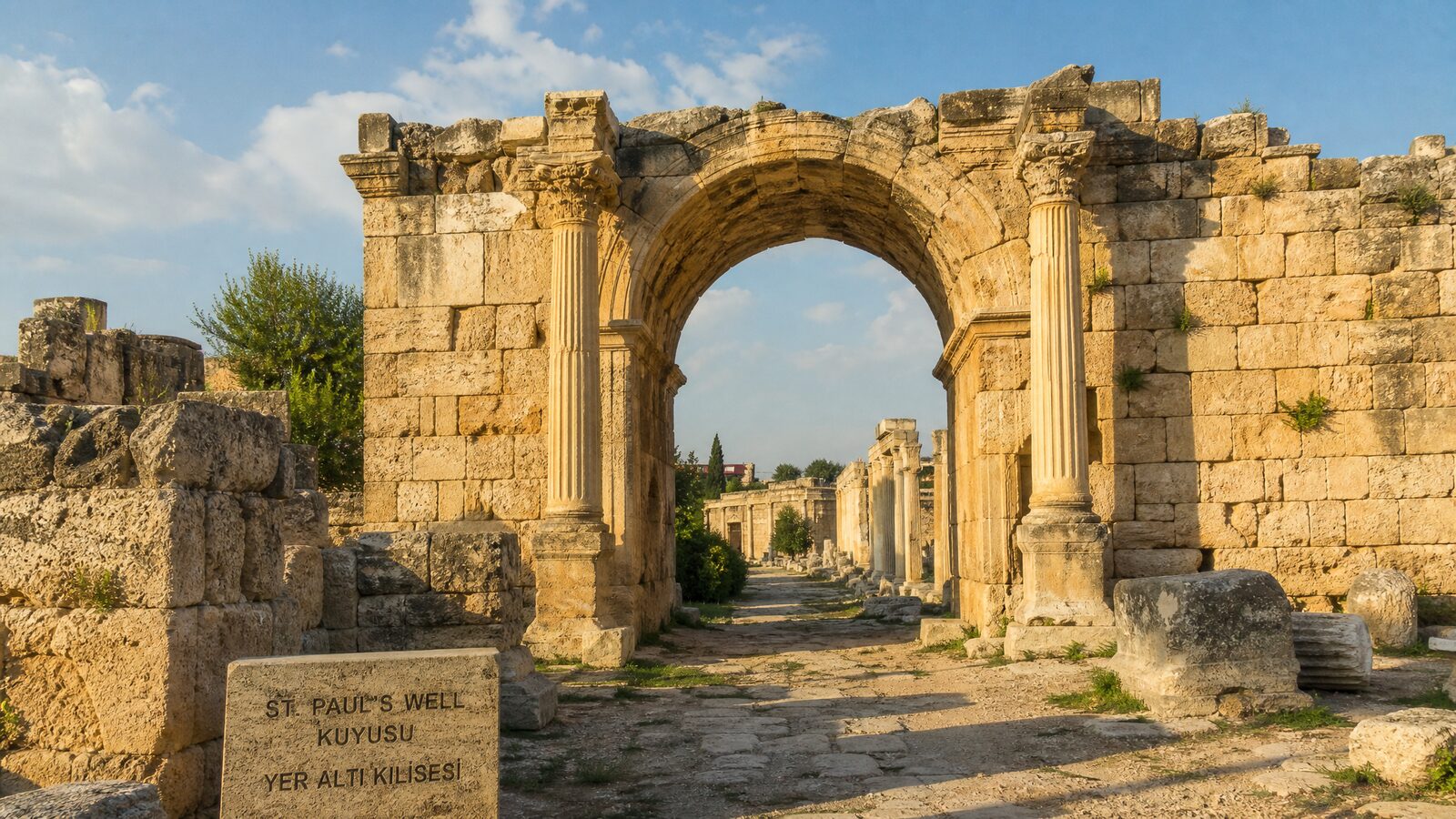
Standing at the cave, you feel the pull of the legend: the idea that faith can outlast empires, that a single night’s trust can bridge three hundred years. It is a place for quiet, not spectacle — and it is all the more powerful for it. The cave sits within easy reach of Tarsus and its sacred sites of St Paul and the prophets, making a natural pairing on a journey through Cilicia.
Visit the Cave of the Seven Sleepers
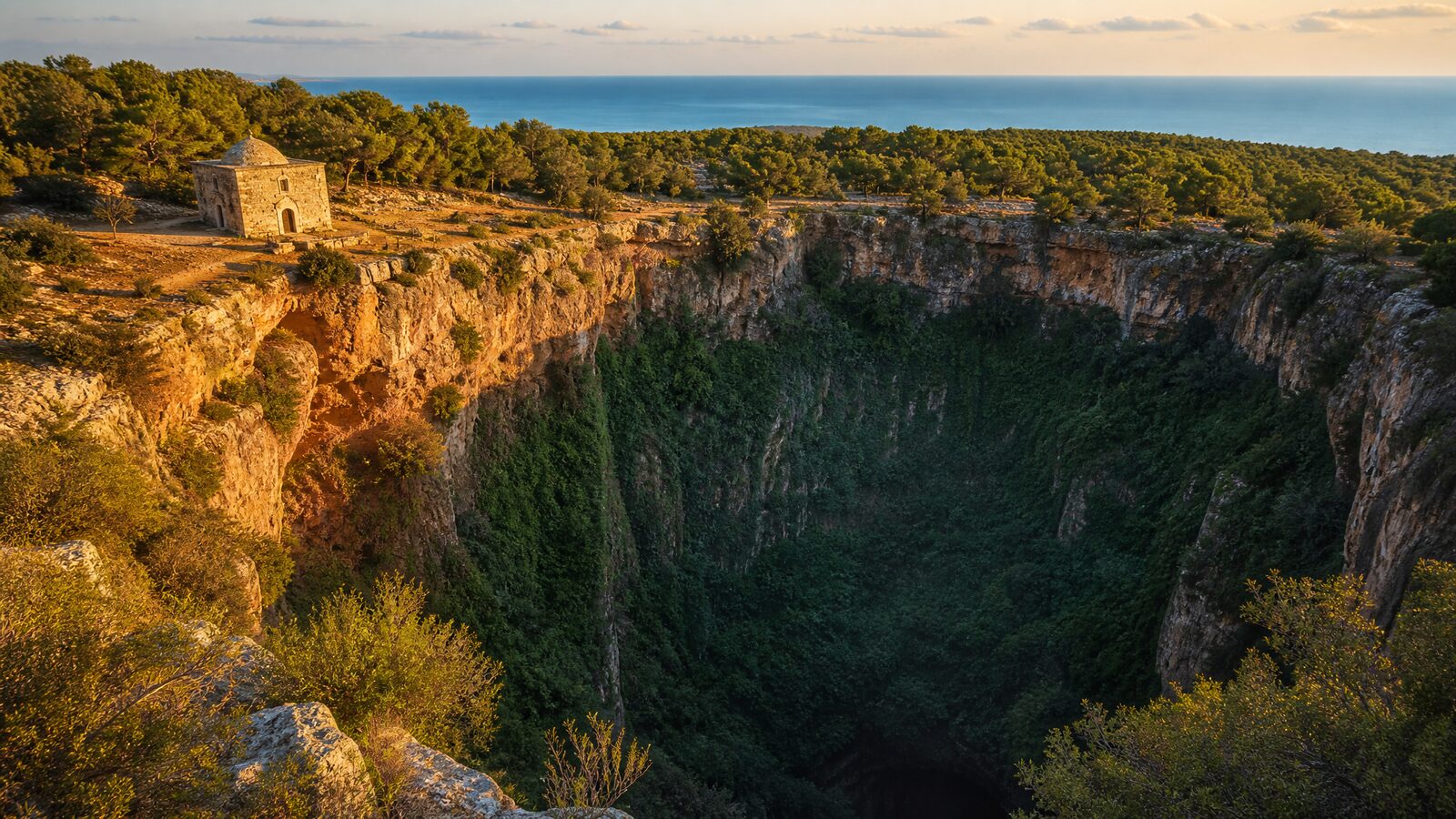
The Seven Sleepers’ cave combines beautifully with Tarsus and the Caves of Heaven and Hell for an unforgettable day of legends along the southern coast. Discover our faith tourism experiences, explore our Turkey tours, or create a custom itinerary that weaves together the sacred stories of Anatolia.
Frequently Asked Questions
Who were the Seven Sleepers?
According to legend, they were seven young Christians who hid in a cave to escape Roman persecution, fell into a miraculous sleep, and woke around three hundred years later to find their city Christian. In Islam they are known as the Ashab al-Kahf, the Companions of the Cave, and their story appears in Surah al-Kahf of the Qur’an.
Where is the Seven Sleepers’ cave in Turkey?
Several sites claim the legend, but one of the most visited is the Aşhab-ı Kehf cave in the hills above Tarsus in southern Turkey, where a mosque and shrine mark the spot. A cave associated with the Seven Sleepers is also shown near Ephesus.
Is the Seven Sleepers legend Christian or Muslim?
Both. It is one of the rare sacred stories cherished equally by Christians (as the Seven Sleepers of Ephesus) and Muslims (as the Ashab al-Kahf), which is part of what makes the site so special.
Can I visit the cave on a tour?
Yes. The cave near Tarsus is easily combined with the city’s St Paul sites and the nearby Caves of Heaven and Hell. We can include it in a custom faith or heritage tour of southern Turkey.
Plan Your Türkiye Trip With Local Experts
Licensed TÜRSAB agency — tours, transfers, visas and tailor-made itineraries across Türkiye.