In a dusty courtyard in southern Turkey stands a well where a tentmaker’s son once drew water — a boy the world would come to know as the Apostle Paul. This is the story of Tarsus, city of saints and prophets.
Some cities you visit for their monuments. Tarsus you visit for its stories. Sitting on the fertile Cilician plain where the Taurus Mountains tumble down to the Mediterranean, this unassuming town has watched over three thousand years of history — and given the world one of its most consequential lives. For it was here, around two thousand years ago, that a Jewish boy named Saul was born into a family of tentmakers. The world would come to know him as Saint Paul, the apostle whose letters shaped Christianity itself.
A Well, a Boy, and the Making of an Apostle
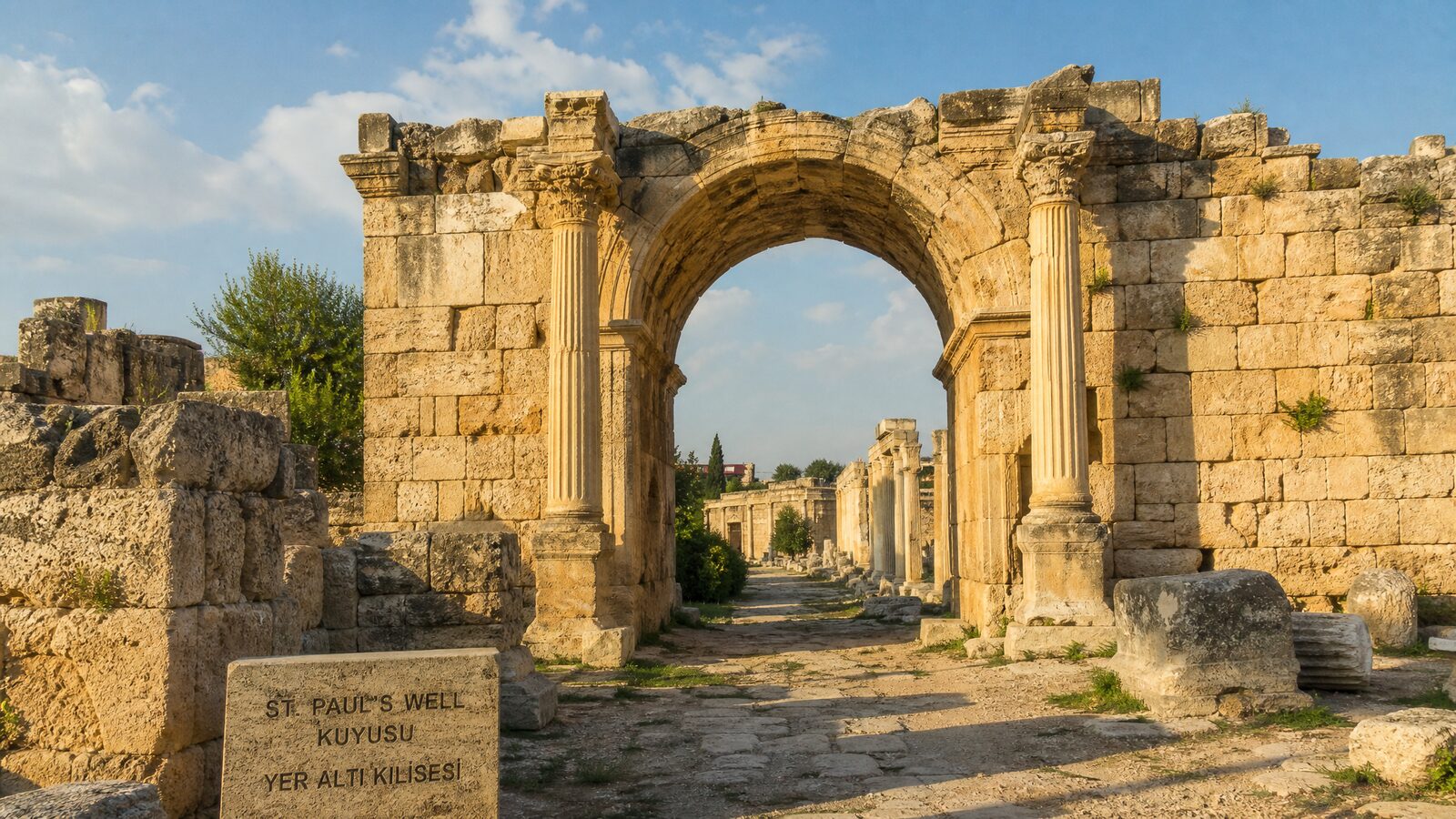
Walk into a quiet walled courtyard in the old town and you will find St Paul’s Well — a simple stone shaft, still holding cool water, believed to stand on the site of the apostle’s family home. Pilgrims lower a bucket, draw the water, and pause. There is something powerfully human about it: no gold, no marble, just a well where an ordinary boy once played before an extraordinary destiny called. “I am a Jew, from Tarsus in Cilicia,” Paul would later declare, “a citizen of no ordinary city.” He was right.
St Paul’s Church and Cleopatra’s Gate
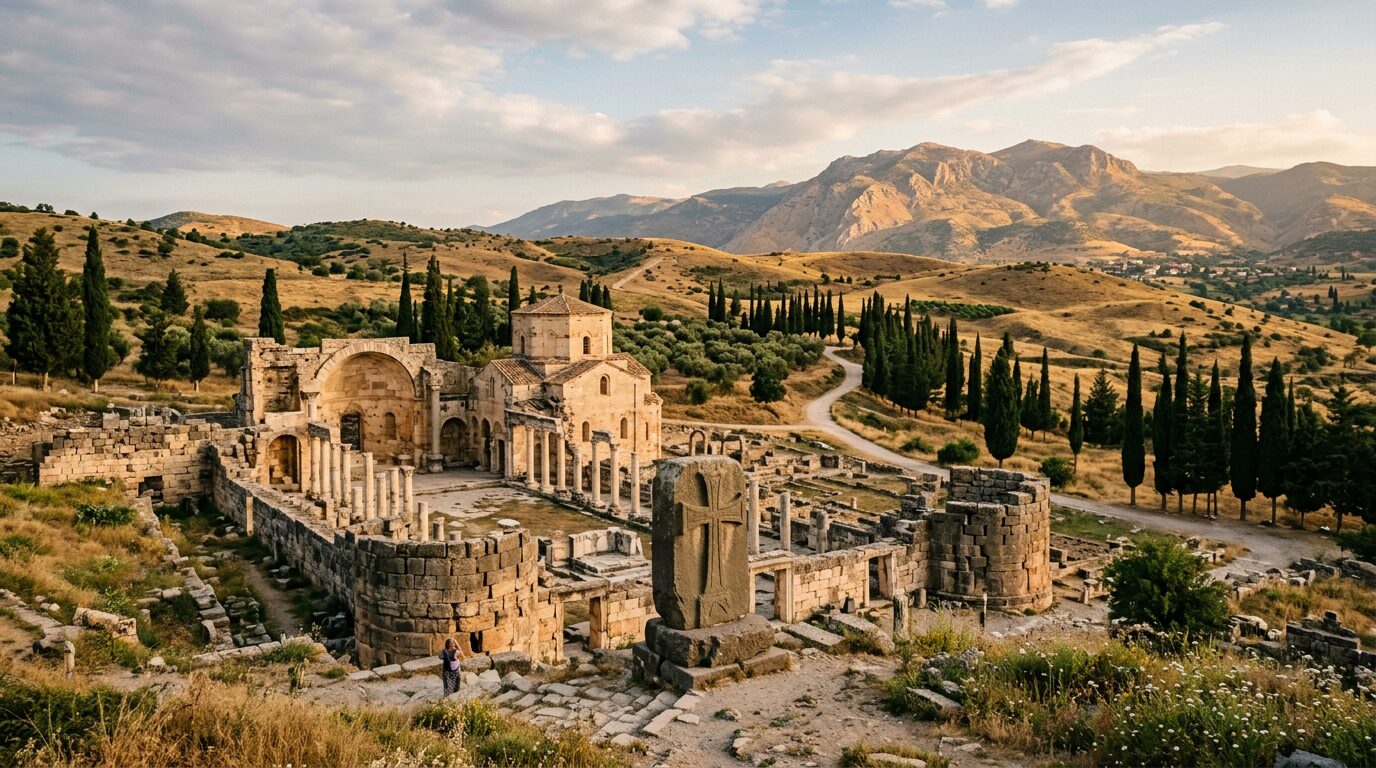
A short walk away rises the Church of St Paul, a serene 19th-century stone church now preserved as a monument and place of prayer, where faith groups gather to read from the apostle’s epistles in the very city of his birth. On the edge of the old town stands Cleopatra’s Gate — the last surviving Roman gate of Tarsus, through which, legend says, Cleopatra and Mark Antony rode to meet in 41 BC. To stand beneath its worn arch is to stand at a crossroads of empires, apostles and queens.
The Prophet Beneath the City
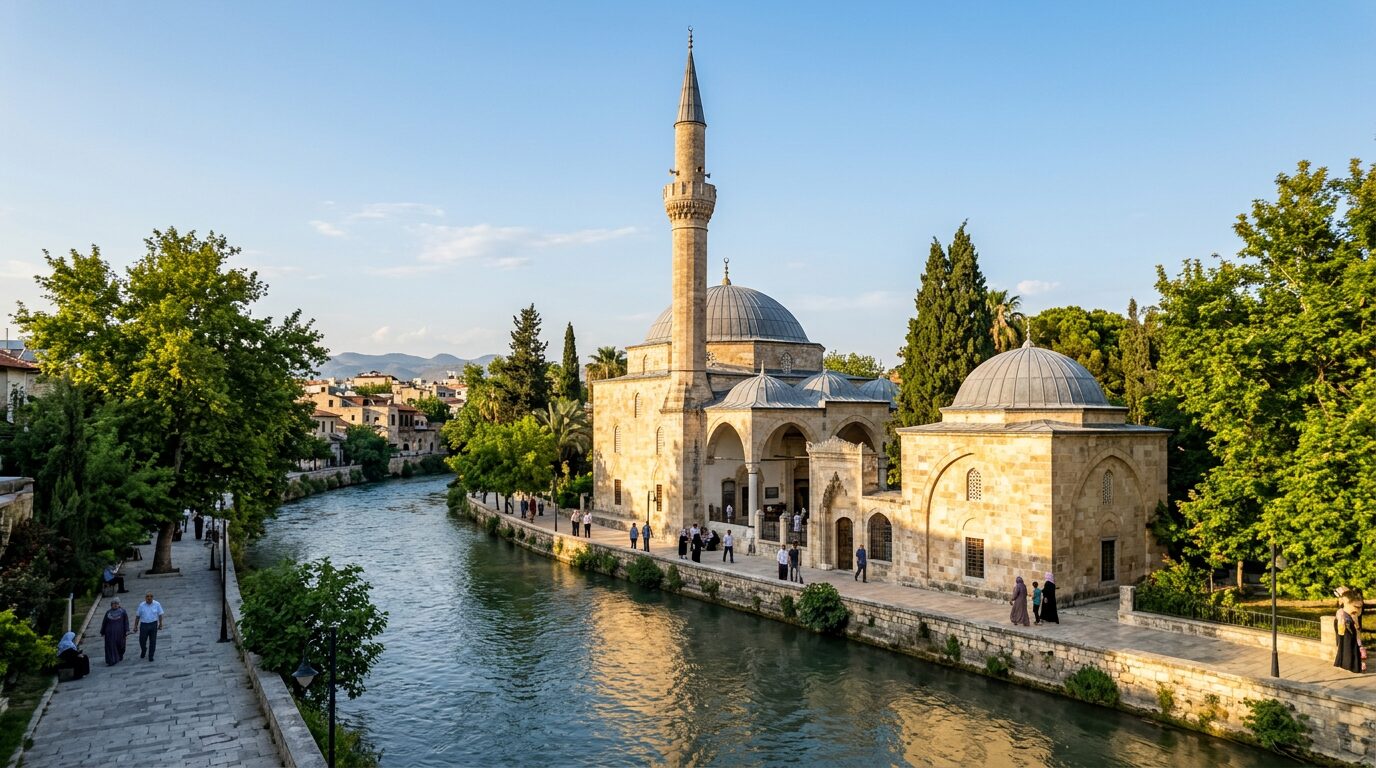
Tarsus is sacred to more than one faith. Deep beneath the town, near the great mosque, lies a maqam long venerated as the resting place of the Prophet Daniel (Danyal Peygamber). The legend is unforgettable: it is said that during a terrible famine the prophet prayed for deliverance, and ever since, the springs of Tarsus have flowed freely — the underground waters that still murmur beneath the city are remembered as his gift. Christians, Muslims and Jews have honoured this place for centuries, drawn by the same quiet reverence.
The Ancient Road and the Waterfall
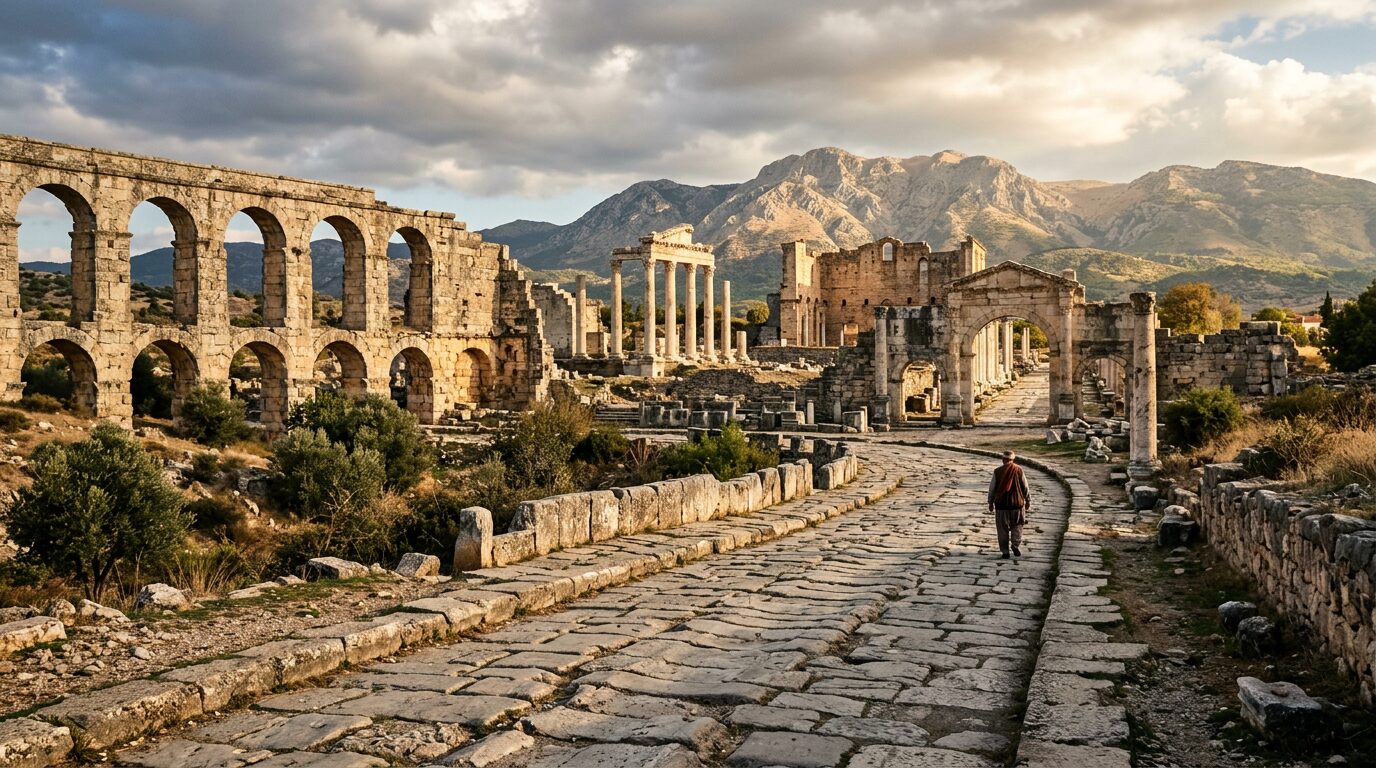
Steps from the well, archaeologists have uncovered a stretch of the ancient Roman road — black basalt paving stones, polished by centuries of cartwheels and sandalled feet, that Paul himself may have walked. And when the summer heat presses down, locals and travellers alike gather at the Tarsus Waterfall, where the Berdan River spills over rocks beneath shady tea gardens — a reminder that this is a living city, not a museum.
Walk in the Footsteps of Saints
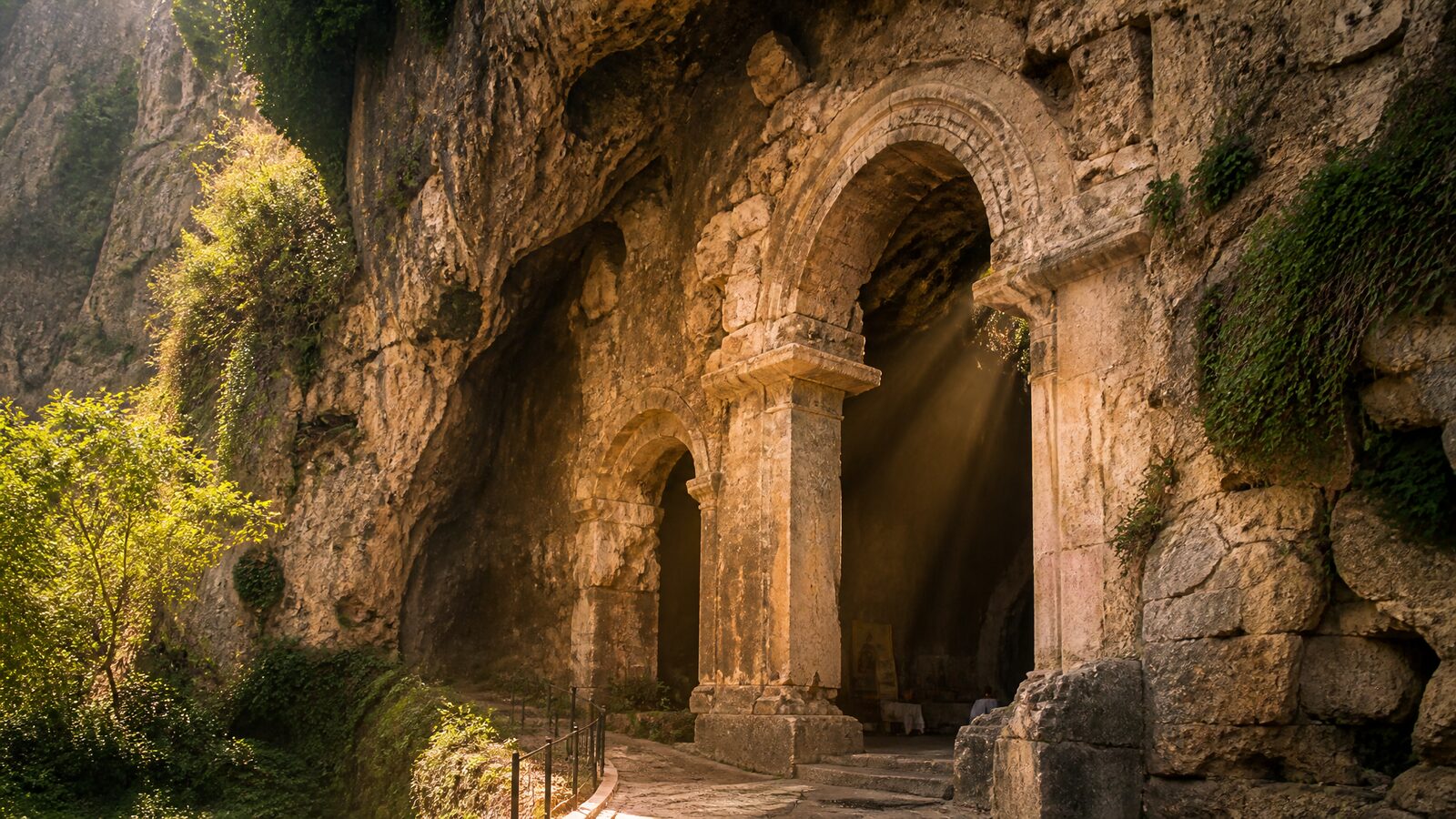
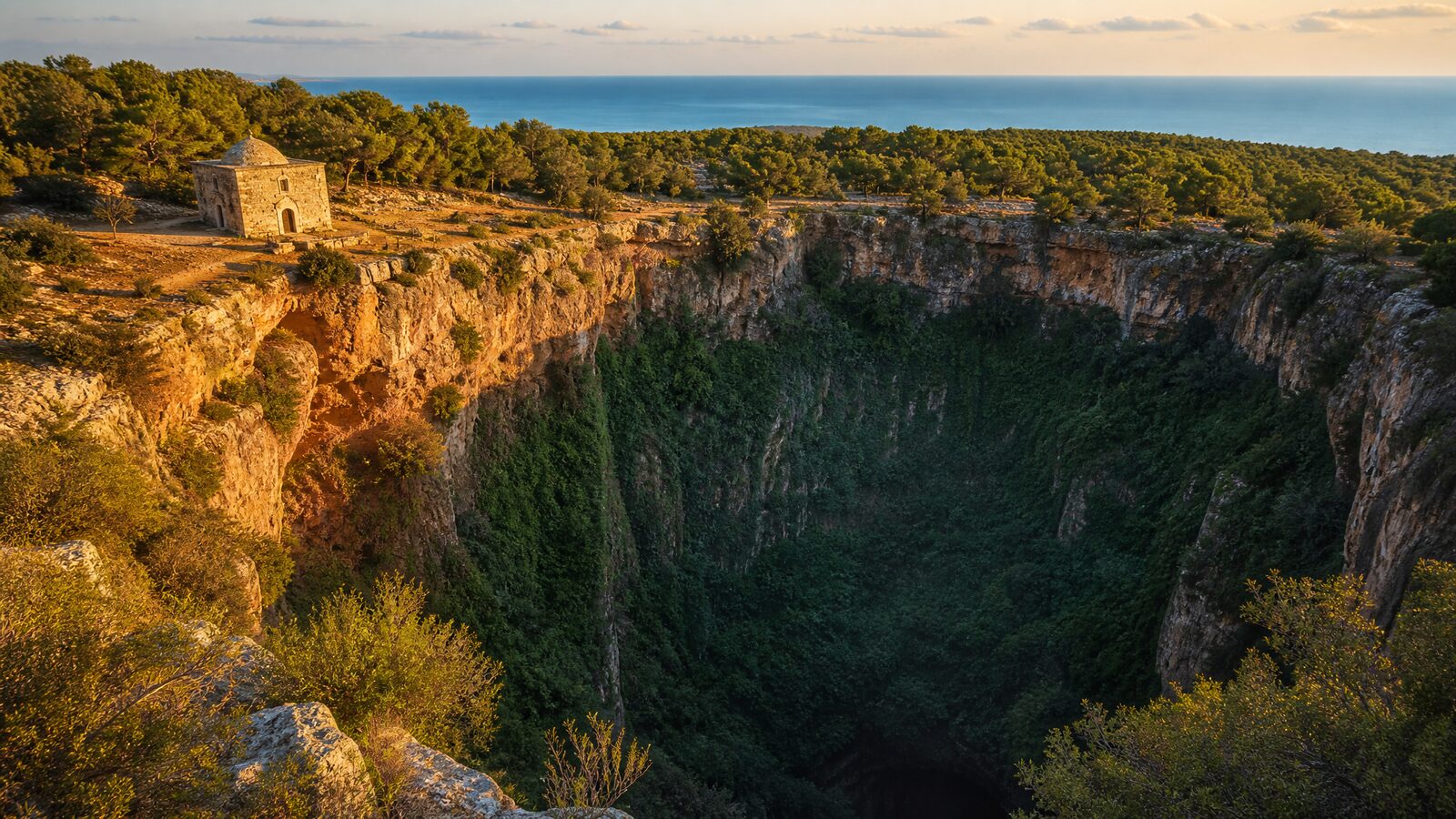
Tarsus pairs beautifully with the other sacred sites of Cilicia — the Seven Sleepers’ cave nearby and the haunting Caves of Heaven and Hell along the coast. It also anchors a wider Christian journey through Turkey, from the missionary trail of St Paul to the full pilgrimage route. Explore our faith tourism programmes, browse our tours of Turkey, or design your own journey in the footsteps of the apostle.
Frequently Asked Questions
Was Saint Paul really born in Tarsus?
Yes. The Apostle Paul was born in Tarsus in the Roman province of Cilicia, in what is today southern Turkey. In the Book of Acts he calls himself “a Jew, from Tarsus in Cilicia, a citizen of no ordinary city.” St Paul’s Well is believed to stand on the site of his family home.
What is there to see in Tarsus?
The main sacred and historic sites are St Paul’s Well, the Church of St Paul, Cleopatra’s Gate (the Roman city gate), the ancient Roman road, the maqam venerated as the tomb of the Prophet Daniel, and the Tarsus Waterfall. Most can be seen comfortably in half a day.
Is Tarsus important to Muslims as well as Christians?
Yes. Alongside its Christian heritage, Tarsus is home to a maqam long venerated as the resting place of the Prophet Daniel (Danyal Peygamber), making the city a place of pilgrimage and reverence for Christians, Muslims and Jews alike.
How do I include Tarsus in a tour of Turkey?
Tarsus lies near Mersin and Adana on the southern coast and combines naturally with the Seven Sleepers’ cave and the Caves of Heaven and Hell, or with a wider faith-tourism route through Ephesus, Cappadocia and Antioch. We can build a custom itinerary around it.
Plan Your Türkiye Trip With Local Experts
Licensed TÜRSAB agency — tours, transfers, visas and tailor-made itineraries across Türkiye.