A prophet who ended a famine, a coffin found by a caliph’s army, a ring engraved with a child between two lions, and a river turned aside to guard a grave. Beneath a quiet mosque in Tarsus lies one of Turkey’s most extraordinary sacred mysteries.
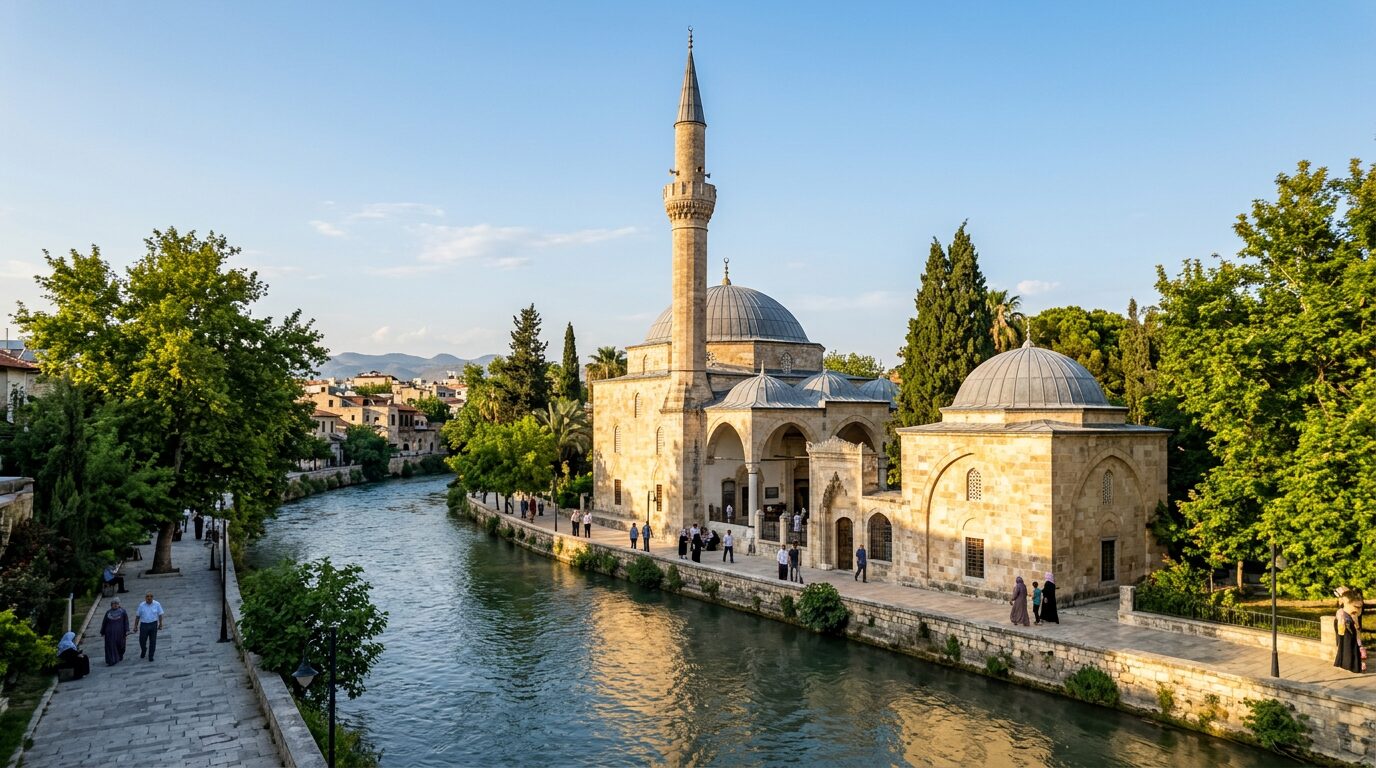
In the heart of Tarsus — the same ancient city that gave the world the Apostle Paul — stands a modest stone mosque with a slender minaret. It is called the Makam-ı Danyal, and beneath it, tradition holds, rests the Prophet Daniel (Danyal Peygamber). Few places layer legend, faith and archaeology so richly. This is a story of famine and abundance, of a caliph’s discovery, and of a river turned aside to protect a holy grave.
The Prophet Who Ended a Famine
Daniel — the prophet of the lions’ den, revered in Judaism, Christianity and Islam alike — is remembered in Tarsus for a very local miracle. Local tradition tells that during a terrible famine, Daniel was invited to the city, and with his arrival came deliverance: the rains returned, the crops grew, and abundance flooded back to Cilicia. So beloved was he that, the story goes, the people of Tarsus would not let him leave, and he lived out his days among them and was buried in their soil.
The Coffin, the Ring and Caliph Umar
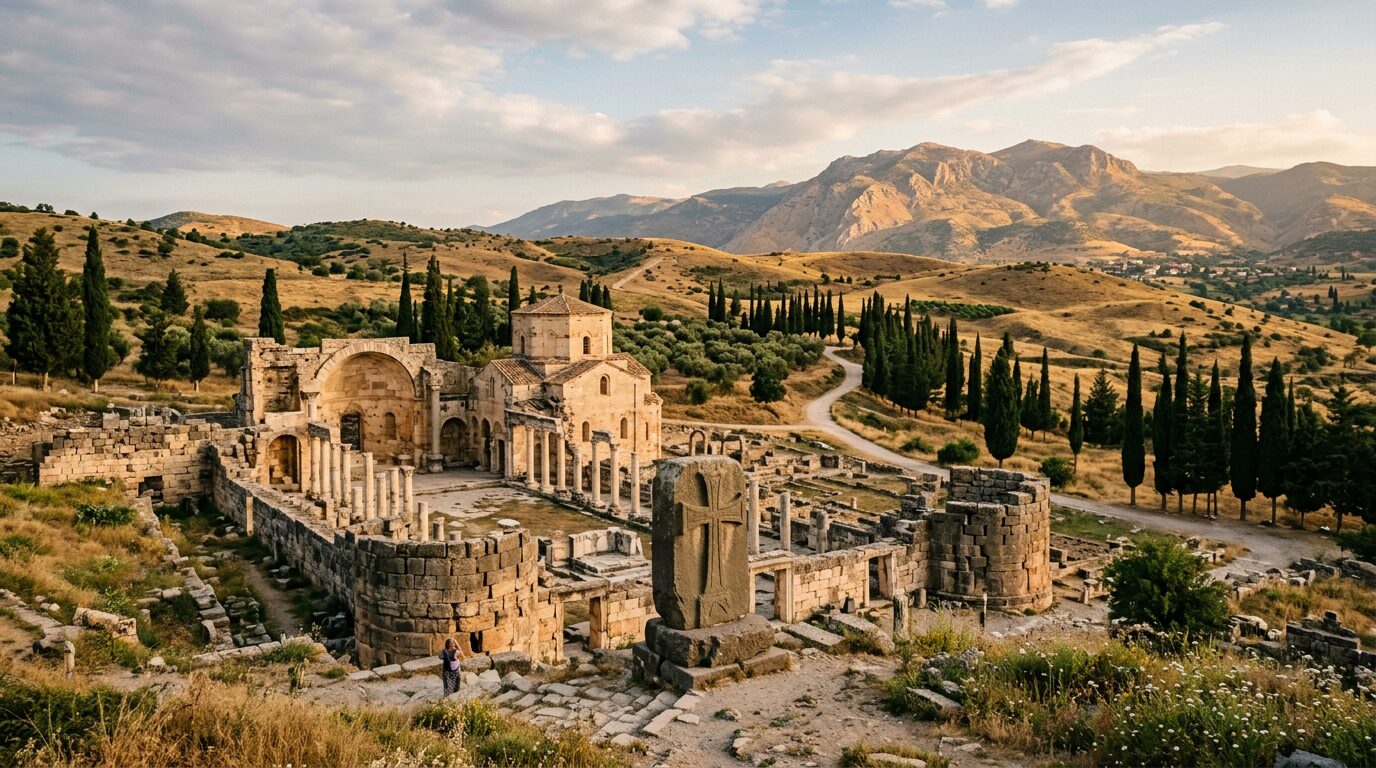
The most striking chapter comes centuries later. According to accounts tied to the early Muslim conquest of Tarsus in the time of Caliph Umar, a great coffin was uncovered containing a well-preserved body. On its finger was a ring engraved with a remarkable image: a child between two lions — read as a sign of Daniel, protected as a child among the lions. To shield the grave from disturbance and theft, it is said the caliph ordered it buried deep and the course of the Berdan River (the ancient Cydnus) diverted to flow over the site, hiding it beneath the waters.
What Archaeology Found Beneath
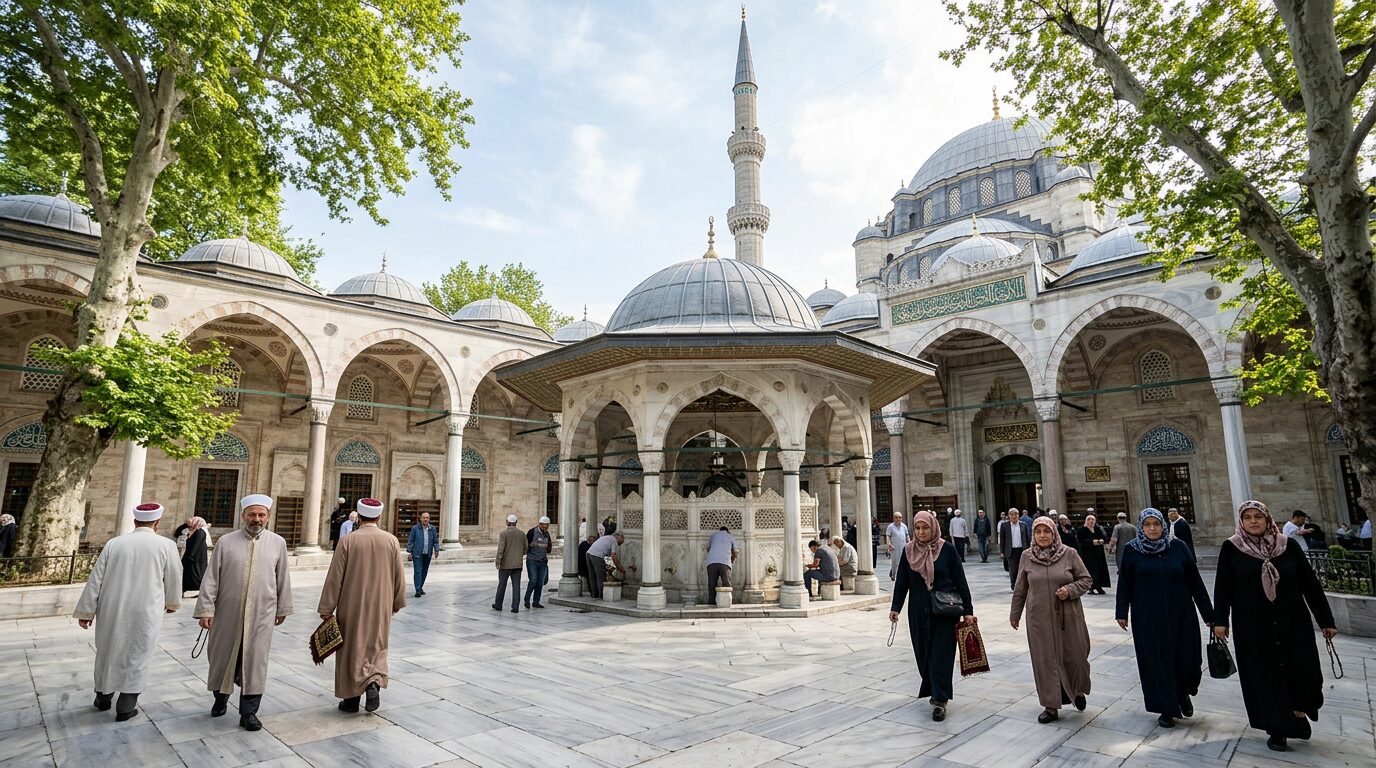
The mosque you see today was built in 1857, long before anyone understood what lay below. Excavations — especially rescue digs from 2006 during restoration — revealed an astonishing sub-structure: two arches of a 1st-century Roman bridge, an early tomb chamber, and later medieval structures, all buried as the city’s ground level rose over the centuries. Since being opened to visitors in 2014, the site lets you gaze down through a glass platform onto the ancient stones and water below — history and legend meeting beneath your feet.
One Prophet, Many Shrines
Tarsus is one of several places across the world that honour Daniel — the most widely known traditional tomb is in Susa, in Iran, with other shrines claimed in Iraq, Uzbekistan and beyond. Scholars treat the Tarsus attribution as a cherished local tradition rather than proven fact. But that is the nature of sacred places: their power lies not only in certainty, but in the centuries of devotion — by Muslims, Christians and Jews — that have made them holy.
Visit the Tomb of Daniel
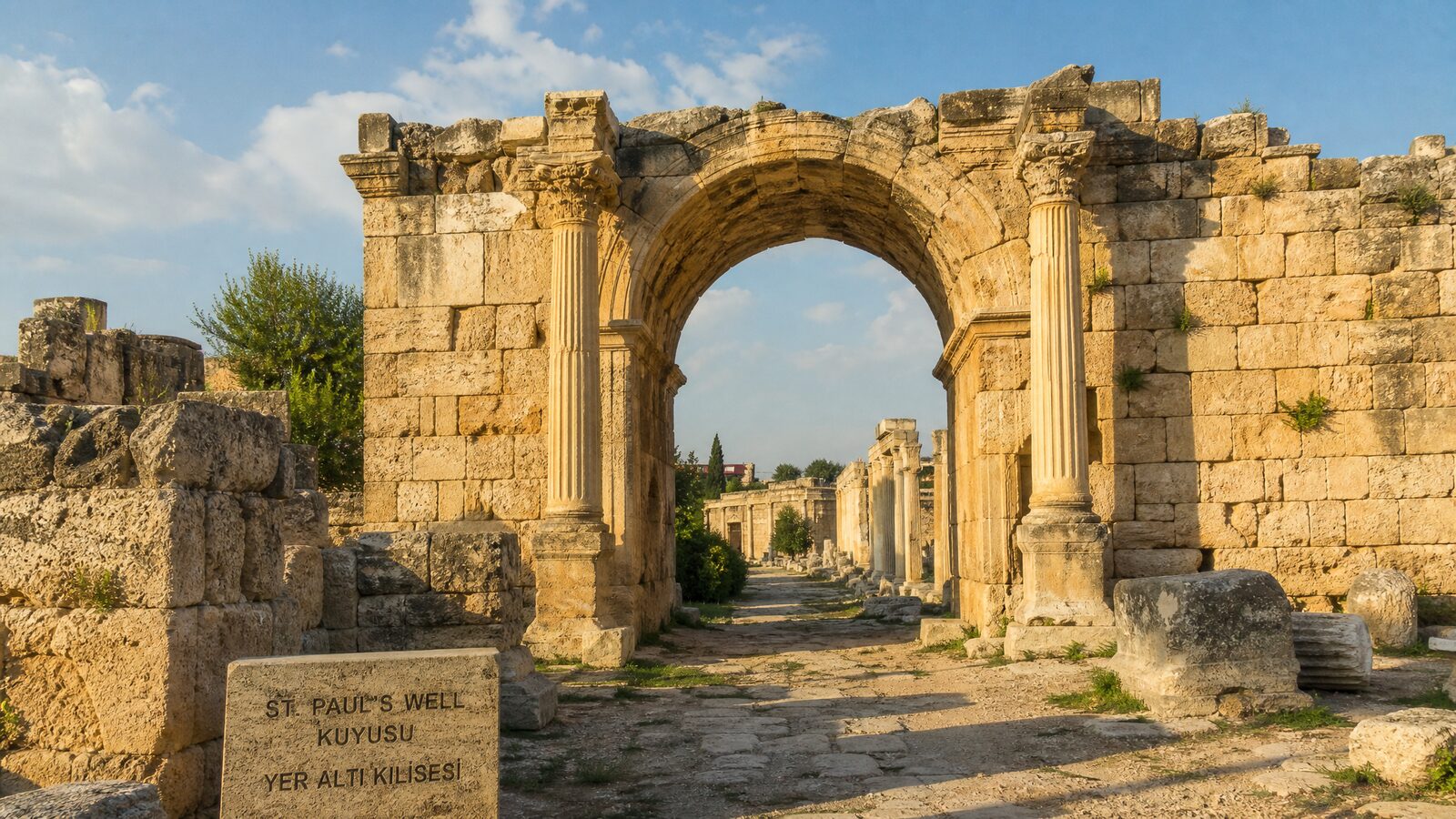
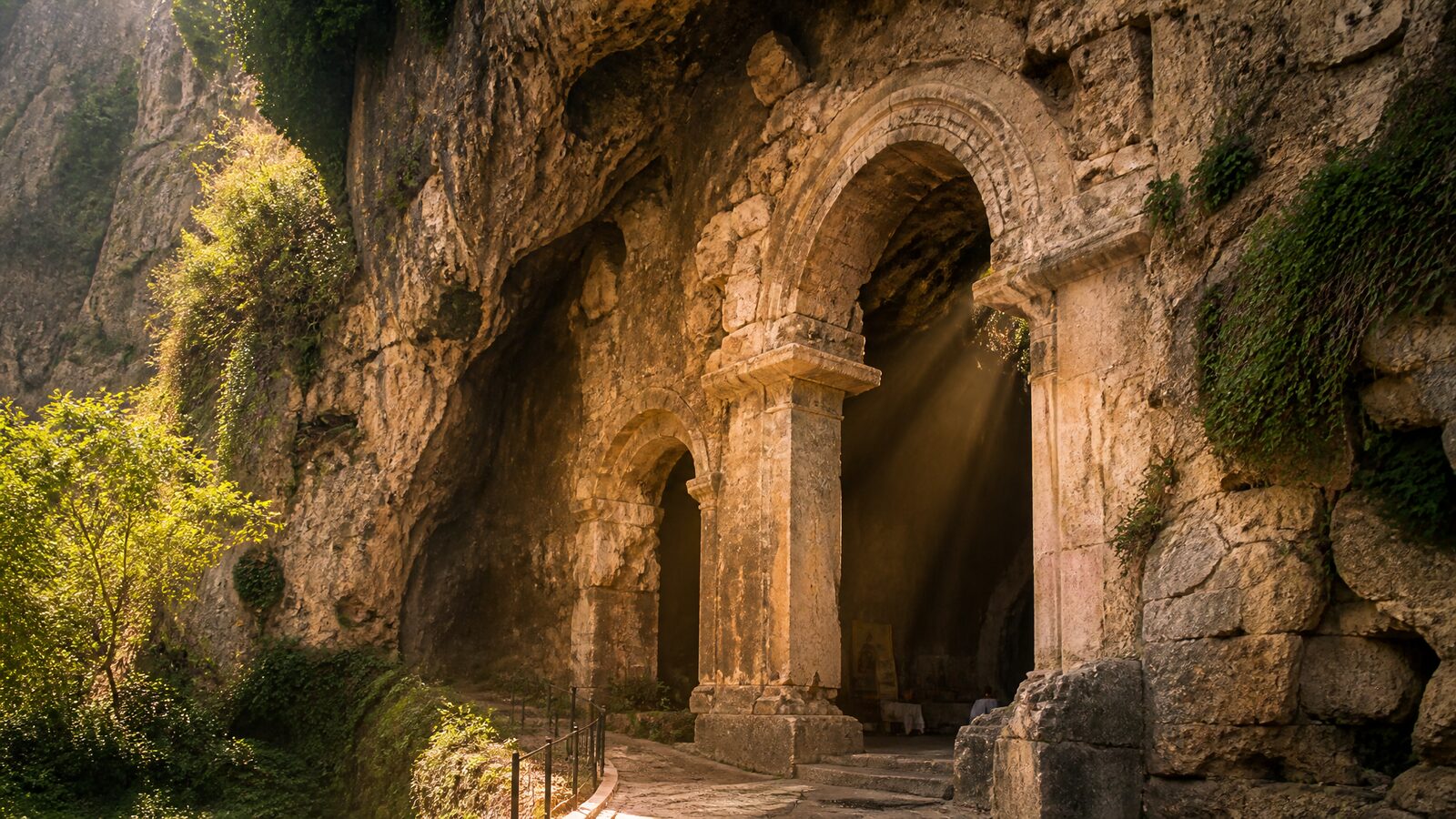
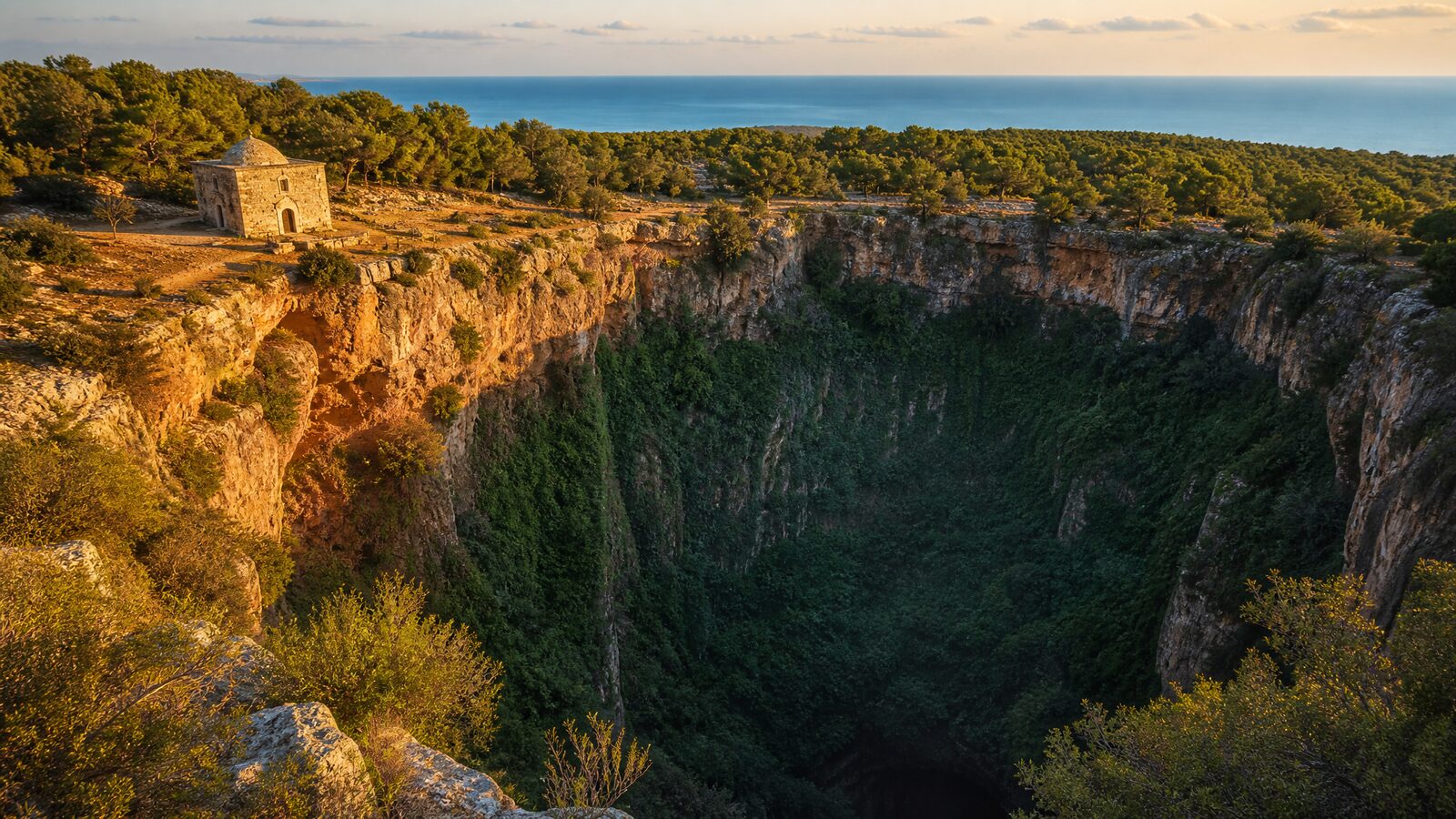
The Makam-ı Danyal sits in central Tarsus, a short walk from St Paul’s Well and the sacred sites of Tarsus, and pairs naturally with the Seven Sleepers’ cave and the Caves of Heaven and Hell. For more on the region’s Christian heritage, see our guide to the footsteps of the Apostle Paul. Explore our faith tourism programmes, browse our tours, or design your own pilgrimage.
Frequently Asked Questions
Is the Prophet Daniel really buried in Tarsus?
Tarsus is home to the Makam-ı Danyal, a shrine long venerated as the tomb of Prophet Daniel. It is one of several sites worldwide claiming his resting place — the most widely known is in Susa, Iran — and scholars regard the Tarsus attribution as a deeply held local tradition rather than proven historical fact.
What is the legend of Prophet Daniel in Tarsus?
Local tradition says Daniel was invited to Tarsus during a famine and his arrival brought abundance. After his death he was buried there; later, during the conquest under Caliph Umar, a coffin was found with a ring depicting a child between two lions, and the Berdan River was diverted over the grave to protect it.
What can you see at the Makam-ı Danyal in Tarsus?
The 1857 mosque stands over remarkable excavated remains — including arches of a 1st-century Roman bridge and early tomb chambers — which visitors can view through a glass platform. It has been open to visitors since 2014.
Is the tomb sacred to more than one religion?
Yes. Daniel is revered in Judaism, Christianity and Islam, and the Tarsus shrine has drawn reverence from all three faiths for centuries, making it a moving stop on any faith or heritage journey through southern Turkey.
Plan Your Türkiye Trip With Local Experts
Licensed TÜRSAB agency — tours, transfers, visas and tailor-made itineraries across Türkiye.