
10 days / 9 nights · Private tour
From Antioch to Tur Abdin
This 10-day route across southeastern Türkiye follows a rare and meaningful line through Christian history: from Tarsus, the city of Saint Paul’s birth, to Antioch, where the disciples were first called Christians, and onward into Upper Mesopotamia, where Syriac Christianity took root in cities, monasteries, and village churches that still shape the religious landscape today. It is a journey especially for travelers who want more than names on a map: each stage places biblical memory, early Church history, archaeology, and living tradition side by side—carefully distinguishing what comes from Scripture, what belongs to later devotion, and what can be established historically. From Edessa and Harran to Mardin, Midyat, and the monastery country of Tur Abdin, the route reveals how apostolic beginnings unfolded into enduring Syriac liturgy, monastic learning, and local Christian communities whose heritage remains visible in stone, language, and worship.
Travel period: Dates confirmed upon request
Create a PDF with my logo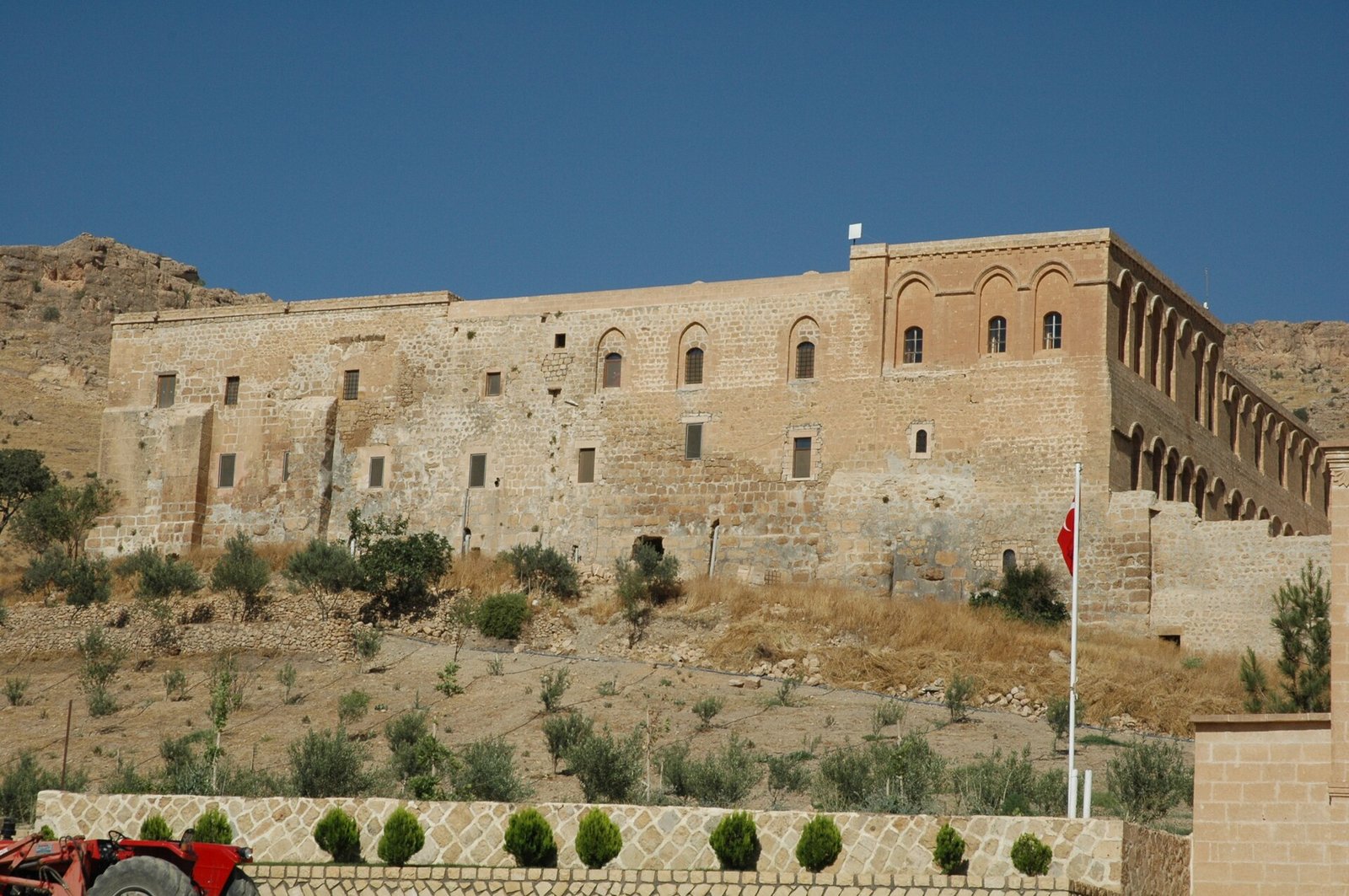
YOUR ROUTE
- Trace Saint Paul’s early world in Tarsus through sites associated with his birthplace, the Saint Paul Memorial Museum, and the historic fabric of the old city
- Explore Antioch’s foundational place in Christian memory at Saint Peter’s Church, then continue to Seleukeia Pieria and the monumental Titus Tunnel, where apostolic tradition and Roman infrastructure meet
- Encounter the wider Greco-Roman and medieval Christian landscape at the Zeugma Mosaic Museum, followed by a boat excursion on the Euphrates with views toward Rumkale
- Move from the prehistoric ritual world of Göbeklitepe to biblical and Syriac Christian Şanlıurfa, with Harran, ancient Edessa, Balıklıgöl, and the city’s historic urban texture
- Discover the living Syriac heritage of Tur Abdin through Deyrulzafaran Monastery, Mor Gabriel Monastery, Hah, and Salah, in a region where monastic tradition and village Christianity still endure
Scenes from your journey
Your journey, day by day
1Day 1Arrival at Çukurova Airport – Private Transfer to Adana
Arrival at Çukurova Airport – Private Transfer to Adana
Welcome to Türkiye. Upon your arrival at Çukurova International Airport (COV), you will meet our representative and be transferred by private vehicle to your hotel in Adana.
After check-in, the remainder of the day is at leisure, allowing time to settle into the historic region of Cilicia, the natural threshold for a journey that will move from the apostolic age into the still-living Syriac Christian heritage of southeastern Türkiye.
Over the next ten days, the route will unfold in a deliberate sequence: first the world of Saint Paul in Tarsus and Antioch; then the biblical associations of Harran and the early Christian legacy of Edessa; and finally the churches, monasteries, and enduring Syriac Orthodox traditions of Mardin, Midyat, and Tur Abdin.
Dinner at the hotel.
Overnight in Adana.
2Day 2Tarsus: Birthplace of Saint Paul – Antioch
Tarsus: Birthplace of Saint Paul – Antioch
After breakfast, depart for Tarsus, the birthplace of Saint Paul and one of the great cities of ancient Cilicia. In the Roman period, Tarsus was known for trade, learning, and cultural exchange—an urban setting that helps explain the breadth of Paul’s background before his missionary life began.
According to Acts 21:39 and 22:3, Paul was born in Tarsus and later educated in Jerusalem under Gamaliel. After his conversion, he returned to his native region; Barnabas then brought him to Antioch to assist the growing Christian community there (Acts 11:25–26). The day therefore begins with origins and ends at the city where Paul’s vocation entered a wider apostolic stage.
Visit Saint Paul’s Well, traditionally associated with the quarter of the apostle’s family home. Although this identification belongs to later local Christian tradition rather than documented first-century evidence, the site has long remained a place of remembrance and pilgrimage.
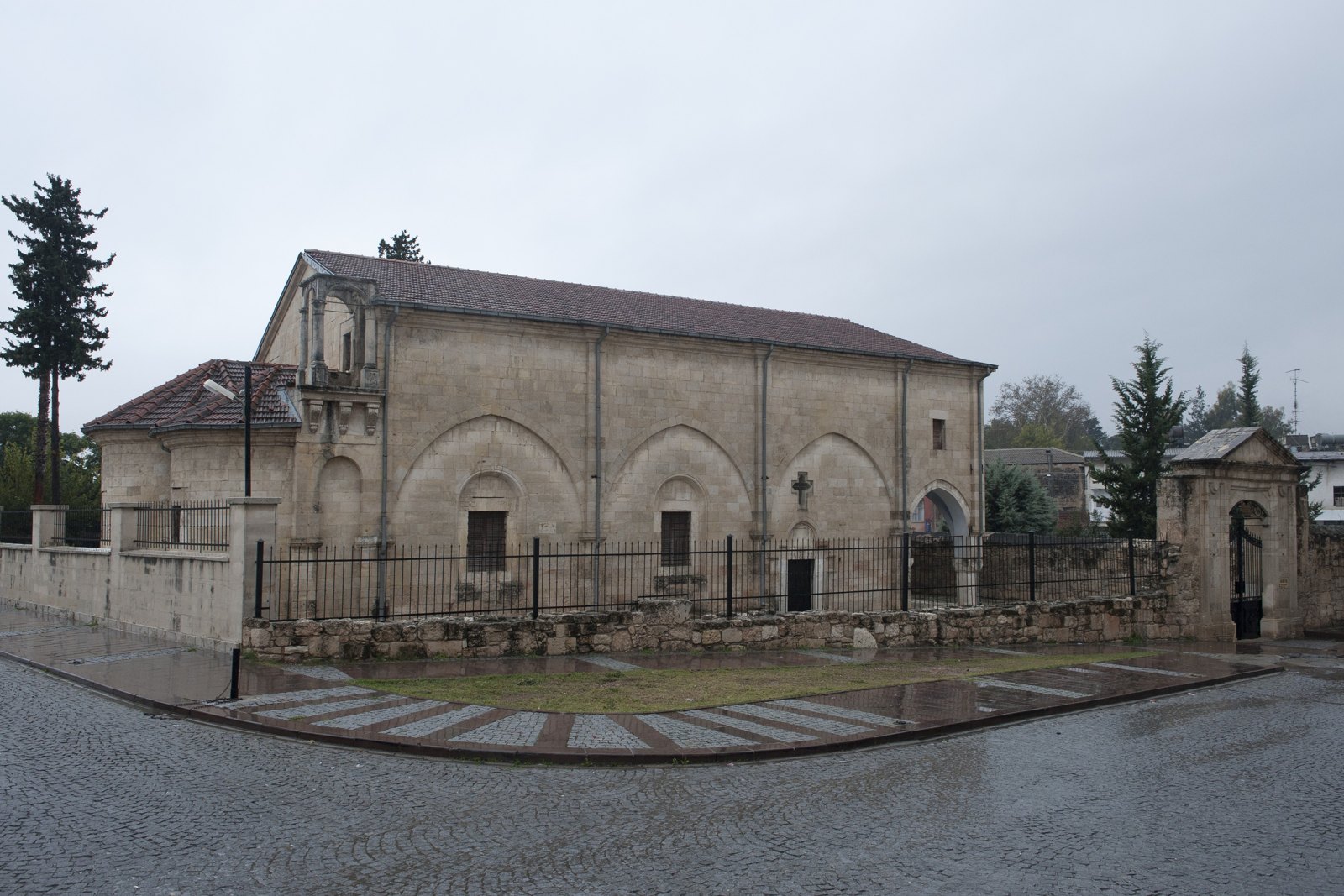
Continue to the Saint Paul Memorial Museum (Saint Paul Church), a 19th-century church that commemorates Paul’s legacy and the later Christian communities of Tarsus. From there, take a short walk through Historic Tarsus, where traditional streets and surviving architecture help place the memory of the apostle within the longer urban history of the city.
After our visits, proceed to the ancient city of Antioch, present-day Antakya. Few places were more formative for early Christianity. According to Acts 11:26, it was here that the disciples were first called Christians, and the city soon emerged as a major center of apostolic teaching and missionary activity, especially through Barnabas and Paul.
Upon arrival, you will be transferred to the hotel. Depending on our arrival time, the remainder of the day will be at leisure.
Overnight in Antakya.
3Day 3Antioch and Seleukeia Pieria
Antioch and Seleukeia Pieria
After breakfast, begin exploring Antioch on the Orontes, one of the decisive cities of apostolic Christianity. In Roman times, Antioch was a vast and cosmopolitan metropolis where Jewish, Greek, Roman, and Eastern Mediterranean traditions met, making it an especially important setting for the spread of the Christian faith.
According to Acts 11:19–26, Antioch became home to a growing Christian community in which Barnabas and Saint Paul taught together, and where the disciples were first called Christians. From this city, Christian identity took on a clearer public form, and the life of the Church began to move outward in new missionary directions.
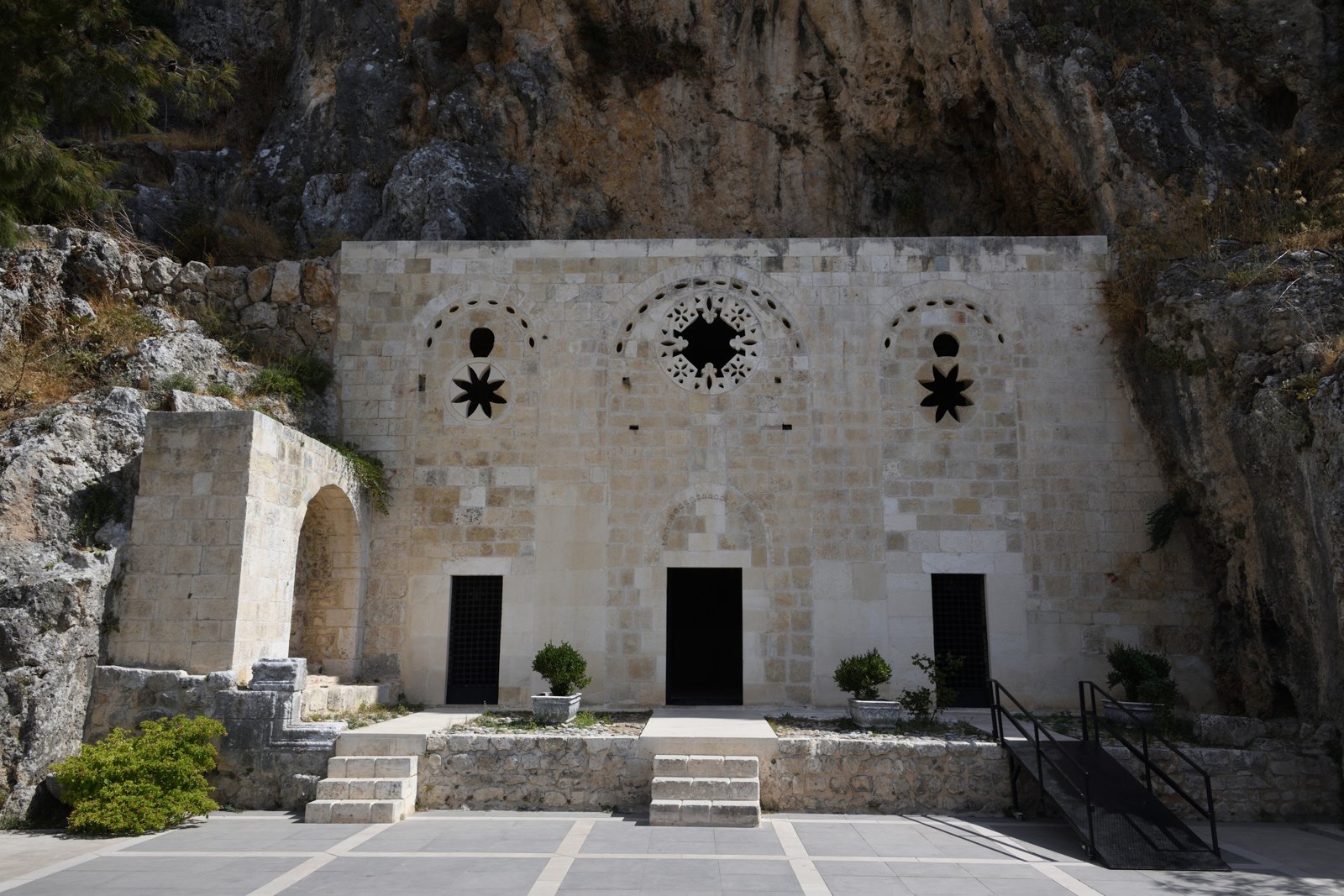
Visit the historic Saint Peter’s Church (St. Pierre Church), a remarkable rock-cut sanctuary traditionally associated with the ministry of the Apostle Peter and with Antioch’s earliest Christian community. While the cave’s direct identification with Peter belongs to later Christian tradition, the place remains one of the most significant sites of pilgrimage and commemoration in the city.
Continue toward the Mediterranean coast to Seleukeia Pieria, the ancient port of Antioch and the place from which Paul and Barnabas departed on the First Missionary Journey. Acts 13:4 records that they went down from Antioch to Seleukeia and from there sailed to Cyprus, so this stretch of the route links the local Church in Antioch with the wider missionary expansion of Christianity.
Our exploration also includes the impressive Vespasian–Titus Tunnel (Titus Tunnel), a monumental Roman engineering work cut to divert floodwaters away from the ancient harbor. Its channels and carved rock faces belong to the imperial world in which early Christianity first moved and grew, providing a striking historical counterpoint to the apostolic story.
After the visits, continue eastward to Gaziantep, where we will check in to our hotel.
Overnight in Gaziantep.
4Day 4Zeugma Mosaic Museum and Rumkale
Zeugma Mosaic Museum and Rumkale
After breakfast, visit the magnificent Zeugma Mosaic Museum in Gaziantep, home to one of the world’s most important collections of Roman mosaics. The works recovered from ancient Zeugma reveal the wealth, artistic refinement, and cultural life of Rome’s eastern provinces during the very centuries in which Christianity first spread through the region.
Admire extraordinary mosaics drawn from the language of classical mythology, including the famous Gypsy Girl Mosaic, celebrated for the force of its portrait-like expression. The museum also preserves Christian mosaics from Late Antiquity and the Byzantine period, allowing the day’s narrative to move from the classical world into the emergence of Christian religious art.
Although Zeugma is not recorded as a stop on Saint Paul’s journeys, its archaeological legacy offers valuable context for the Greco-Roman environment in which the early Church developed.
Continue to the settlement of Halfeti on the Euphrates, one of the great rivers of ancient Mesopotamia and an important feature of biblical geography (Genesis 2:14). The landscape begins to shift here toward the riverine worlds that connected empires, trade, and sacred memory.
Enjoy a pleasant boat excursion on the Euphrates with panoramic views of Rumkale (Hromkla). In the twelfth and thirteenth centuries, Rumkale became an important center of the Armenian Apostolic Church, notably under Saint Nerses IV Shnorhali, the distinguished Armenian theologian and Catholicos.
The fortress also preserves the remains of Saint Nerses Church and Barshavma Monastery, recalling the Armenian and Syriac Christian communities that contributed to the medieval religious history of the region. These monuments are introduced through the historical interpretation of the fortress and do not include interior visits.
After the boat excursion, continue to Şanlıurfa, associated with ancient Edessa, historically one of the most important centers of early Syriac Christianity.
Overnight in Şanlıurfa.
5Day 5Göbeklitepe and Ancient Edessa
Göbeklitepe and Ancient Edessa
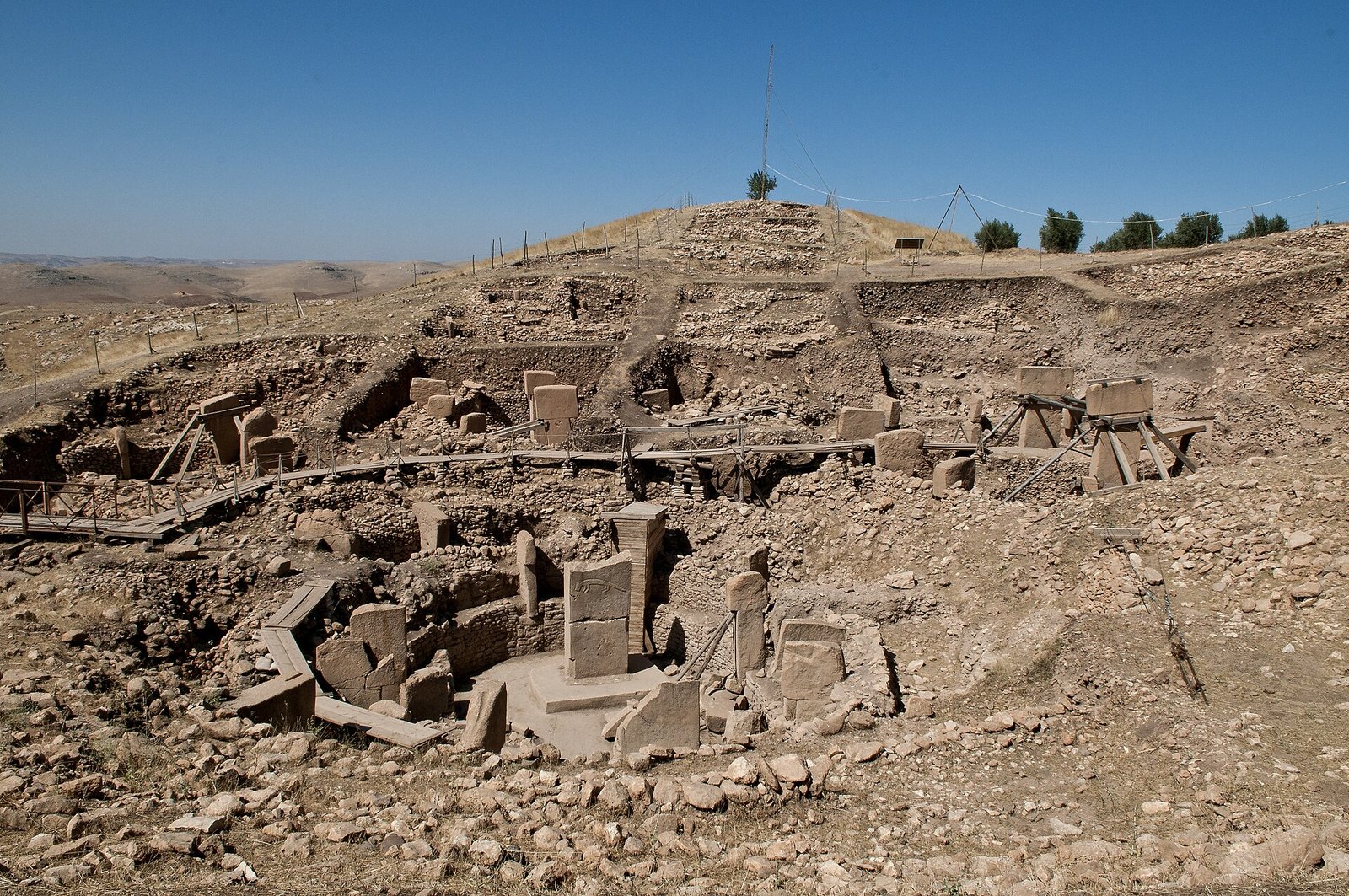
After breakfast, depart for the extraordinary Göbeklitepe Archaeological Site, a UNESCO World Heritage Site dating to approximately 9600–8200 BC. Its monumental T-shaped limestone pillars and animal reliefs stand far earlier than the biblical world, opening the day with a reminder of the deep antiquity of ritual and symbolic life in Upper Mesopotamia.
Göbeklitepe predates biblical narratives by many thousands of years and cannot be linked to a specific event in the Bible; its significance lies instead in what it reveals about the earliest ceremonial and social traditions of human communities in this region.
Return to Şanlıurfa, historically known as Edessa, one of the great centers of early Syriac Christianity. Under Roman and Byzantine rule, Edessa became a major city of Christian theology, biblical interpretation, hymnography, and religious literature, and the tone of the day now shifts from prehistoric sanctuaries to one of Christianity’s formative intellectual homes.
Learn about the famous Abgar tradition, which connects King Abgar with a correspondence with Jesus Christ. Preserved in later Christian texts, this narrative became an important part of Syriac Christian memory; however, it does not appear in the New Testament and has not been independently verified as historical fact.
Edessa is also closely linked with Saint Ephrem the Syrian (AD 306–373), the renowned theologian, poet, and hymn writer whose works deeply shaped Syriac Christian spirituality. The use of Classical Syriac, a literary form of Aramaic, made the city a lasting center of Christian learning and religious expression.
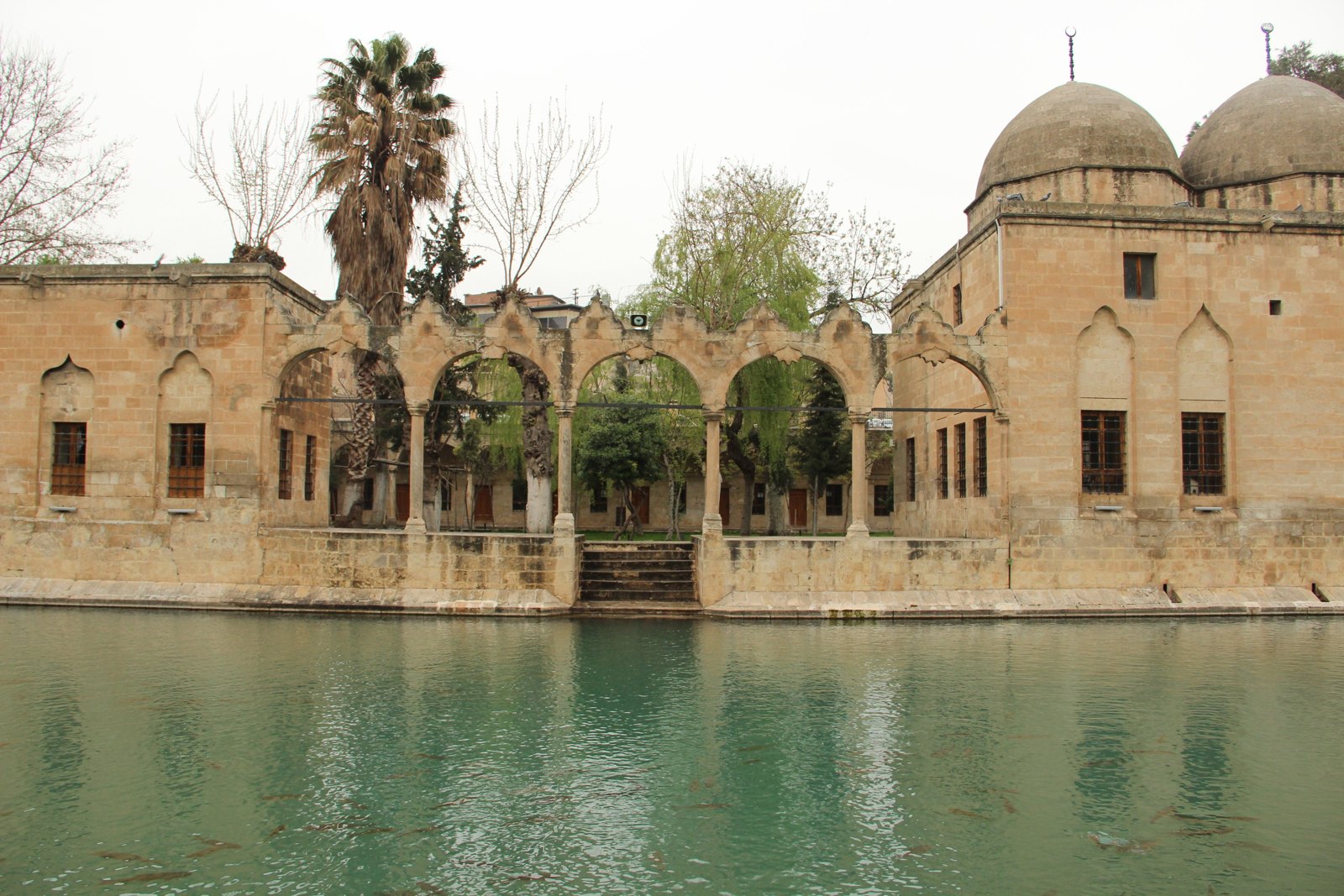
Continue to Balıklıgöl (Pool of Sacred Fish), among Şanlıurfa’s most revered sites and traditionally associated with the Prophet Abraham. The account of Abraham being cast into the fire and the flames turning to water belongs to local Islamic tradition; the biblical narratives of Abraham’s journeys are found in Genesis 11–12.
Explore the historic streets of Şanlıurfa, where traditional stone houses, old bazaars, and layered urban history preserve the character of the city. We will also see the exterior of the Old Reji Church (Saint Peter and Saint Paul Church), a 19th-century Christian building that recalls the more recent Syriac Christian presence here.
After the visits, return to our hotel.
6Day 6Biblical Harran and the Patriarchal Tradition – Mardin
Biblical Harran and the Patriarchal Tradition – Mardin
After breakfast, depart for Harran, one of the places most closely associated with the patriarchal narratives of the Old Testament. Set on ancient routes linking Mesopotamia, Syria, and Anatolia, Harran occupied an important position in settlement, commerce, and religion throughout antiquity.
According to Genesis 11:27–32, Abraham (Abram) and his family settled in Harran after leaving Ur of the Chaldeans. Genesis 12:1–5 then recounts Abraham’s departure toward Canaan in response to God’s call, one of the defining acts of faith and covenant in the biblical tradition.
Harran also appears in the stories of Isaac, Rebekah, Jacob, Rachel, and Laban (Genesis 24–29), placing the region firmly within the family history of the patriarchs in Scripture. In the New Testament, Abraham’s journey is later interpreted as an example of faith and obedience (Acts 7:2–4; Hebrews 11:8–10).
Explore the Harran Archaeological Site, where the remains of the historic settlement, city walls, and archaeological material reveal the city’s long and complex past. The site also preserves traces of the worship of Sin, Mesopotamia’s moon god, whose cult gave Harran major religious importance in the Assyrian and Babylonian periods.
Continue to the traditional Harran Houses, known for their conical, beehive-shaped roofs adapted to the local climate. Although the surviving examples belong to periods much later than the age of the biblical patriarchs, they offer a valuable glimpse into traditional life in Upper Mesopotamia.
After the exploration, continue eastward to Mardin, the historic city overlooking the Mesopotamian plain, known for its golden limestone architecture and centuries of cultural exchange. Mardin is also one of the foremost centers of Syriac Orthodox Christian heritage, and the journey now moves from biblical geography into the heartland of living Syriac tradition.
Upon arrival, you will be transferred to the hotel.
Overnight in Mardin.
7Day 7Deyrulzafaran Monastery, the Church of the Forty Martyrs, and Historic Mardin
Deyrulzafaran Monastery, the Church of the Forty Martyrs, and Historic Mardin
After breakfast, begin exploring Mardin, one of Northern Mesopotamia’s most important centers of Syriac Orthodox Christianity. The city’s churches and monasteries preserve a religious world closely connected with the Church of Antioch, Syriac theological writing, and the long development of Christian monastic life.
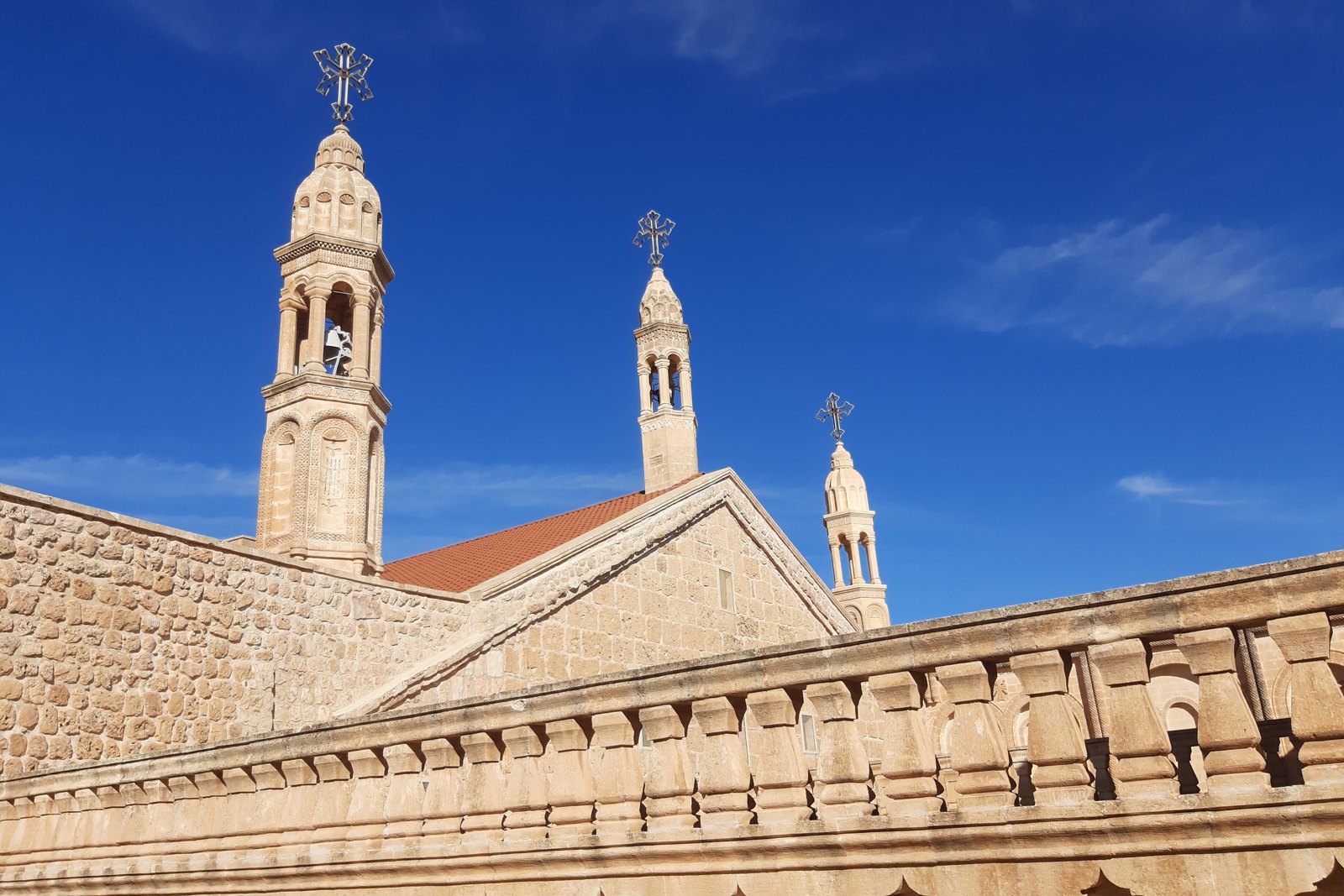
Our first visit will be the magnificent Deyrulzafaran Monastery (Mor Hananyo Monastery), set on a hillside above the Mesopotamian plain. Emerging in the early centuries of Christian monasticism, it became one of the Syriac Orthodox Church’s most important religious institutions and a natural place to understand how ascetic life, church authority, and scholarship came together in this region.
Renovated in the late eighth century in the time of Mor Hananyo, Deyrulzafaran served as one of the principal residences of the Syriac Orthodox Patriarchate of Antioch for approximately six centuries until 1932. In that role, it shaped church leadership, religious education, manuscript preservation, and Syriac Christian literature on a wide scale.
Explore the monastery’s accessible historic churches and architectural spaces, including areas associated with the Mor Hananyo Church and the Church of the Virgin Mary. As it is an active religious institution, visits are subject to the monastery’s worship schedule and community arrangements.
Continue to the Church of the Forty Martyrs (Mor Behnam and Mor Saro Church), a sixth-century Syriac Orthodox sanctuary within the old city. Originally dedicated to Mor Behnam and his sister Mor Saro, it later became associated with the tradition of the Forty Martyrs and played an important role in the religious and educational life of Mardin’s Christian community.
Our exploration continues through Historic Old Mardin, where limestone façades, narrow lanes, traditional courtyards, and broad views over the Mesopotamian Plain place the city’s Christian monuments within a larger urban fabric shaped by many centuries of shared history.
Throughout the day, you will encounter the distinctive heritage of Syriac Orthodox Christianity, including West Syriac liturgical tradition, ecclesiastical architecture, and the preservation of Classical Syriac as a language of worship and scholarship.
Mardin’s churches and monasteries are not simply historical remains. They remain connected to living Christian communities whose faith, institutions, and cultural memory continue to help define the region.
After the visits, return to the hotel.
Overnight in Mardin.
8Day 8Ancient City of Dara and Mor Gabriel Monastery
Ancient City of Dara and Mor Gabriel Monastery
After breakfast, depart for the Ancient City of Dara (Anastasiopolis), one of the most important fortified settlements of the Eastern Roman Empire in Northern Mesopotamia.
Developed in the early sixth century AD during the reign of Emperor Anastasius I, Dara became a major stronghold on the Roman-Sasanian frontier. Its fortifications, rock-cut features, and sophisticated water systems reveal the strategic pressures and technical abilities of Late Antiquity, the wider world in which eastern Christianity matured.
Explore the remarkable Rock-Cut Necropolis, including the monumental multi-level tomb complex. Certain elements have been interpreted in connection with Ezekiel’s vision and the Valley of Dry Bones (Ezekiel 37:1–14), reflecting how themes of resurrection and divine renewal were understood within the Christian religious culture of Late Antiquity.
Discover the remains of Dara’s Ancient Water Systems and Cisterns together with accessible archaeological elements associated with the city’s early Christian heritage. These structures offer insight into both the practical organization of urban life and the religious landscape of the Eastern Roman world.
Continue to the historic region of Tur Abdin, renowned for its exceptional concentration of Syriac Orthodox churches, monasteries, and Christian villages. Here the itinerary moves from frontier archaeology into one of the most enduring monastic landscapes in the Near East.
Our main visit will be the magnificent Mor Gabriel Monastery (Deyrulumur Monastery), founded in AD 397 by Mor Samuel and Mor Shemun. One of the oldest still-functioning Christian monastic institutions in the region, Mor Gabriel has preserved Syriac Orthodox worship, religious education, and church tradition for more than sixteen centuries.
Admire the remarkable stone architecture, historic churches, courtyards, and religious spaces open to visitors. Learn about the development of Syriac Christian monasticism, the preservation of Classical Syriac literature, and the monastery’s continuing spiritual importance.
Unlike many ancient Christian monuments, Mor Gabriel remains an active religious institution and continues to serve as a place of worship, spiritual leadership, and cultural preservation. Visits are organized according to the monastery’s religious activities and access arrangements.
After the exploration, continue to historic Midyat, known for its distinctive limestone houses, traditional handicrafts, and long-standing Syriac Christian heritage. Depending on the arrival time, you may enjoy a short introductory walk in the old town.
Overnight in Midyat.
9Day 9The Syriac Christian Villages of Tur Abdin
The Syriac Christian Villages of Tur Abdin
After breakfast, depart from Midyat to explore the historic Christian villages of Tur Abdin, an extraordinary cultural landscape where Syriac Orthodox communities preserved distinctive religious, architectural, and linguistic traditions across the centuries.
Our first stop is Hah (modern Anıtlı), one of the most important historic Christian settlements in the region. Visit the extraordinary Church of the Virgin Mary (Yoldath Aloho Church), noted for its central dome, finely carved stonework, and singular early medieval architecture.
The church stands as one of the most remarkable examples of Syriac Christian sacred architecture, bringing together regional building practice and artistic currents from the wider Christian world of Late Antiquity.
Hah is also linked with a local Christian tradition concerning the journey of the Magi from the East who visited the infant Jesus, according to Matthew 2:1–12. Although the Gospel does not identify Hah as part of their route, the tradition expresses the sacred memory and religious identity maintained by the Christian communities of Tur Abdin.
Continue through the rural landscapes of Tur Abdin to Salah (modern Barıştepe), home to the historic Mor Jacob Monastery (Saint Jacob Monastery).
Dating essentially to the sixth century AD, with significant eighth-century restorations, the monastery preserves distinctive architectural features, including its unusual five-sided apse, elaborate sanctuary arch, and historic religious decoration.
The monastery offers valuable insight into the development of Syriac Christian monastic architecture and the role of smaller religious institutions in the spiritual and communal life of Tur Abdin. This structure is distinct from the Mor Jacob Church located in ancient Nisibis near modern Nusaybin.
Throughout the day, you will learn about the enduring traditions of Syriac Orthodox communities, including the use in worship of Classical Syriac and of Turoyo (Surayt), a modern Neo-Aramaic language historically spoken throughout Tur Abdin.
These churches and monasteries form part of the Late Antique and Medieval Churches and Monasteries of Tur Abdin, which have been on Türkiye’s UNESCO World Heritage Tentative List since 2021.
Our visits are subject to the access arrangements of the respective religious communities. The experience emphasizes the importance of showing respect to these sacred places as part of a living Christian heritage.
After the exploration, return to Midyat. If time permits, you may enjoy another walk through its historic streets, traditional limestone architecture, and distinctive cultural setting.
Overnight in Midyat.
10Day 10Midyat – Mardin Airport – Departure
Midyat – Mardin Airport – Departure
After breakfast at the hotel, enjoy your final moments in Midyat as this extraordinary ten-day journey through the apostolic foundations, biblical traditions, and living Syriac Christian heritage of southeastern Türkiye comes to an end.
Our pilgrimage began in Tarsus, at the birthplace of Saint Paul, and continued to Antioch, where the disciples were first called Christians. At Seleukeia Pieria, we explored the historical context of Paul’s departure on the First Missionary Journey.
Along the Euphrates, we saw the extraordinary Roman heritage of Zeugma and the medieval Armenian and Syriac Christian traditions of Rumkale.
In ancient Edessa, we encountered the remarkable theological and literary heritage of Syriac Christianity, while Harran introduced us to the biblical geography associated with Abraham and the other patriarchs.
Our journey concluded in Mardin, Midyat, and Tur Abdin, where the historic churches and monasteries of Deyrulzafaran, Mor Gabriel, Hah, and Salah revealed the enduring spiritual and cultural traditions of Syriac Orthodox Christianity.
Together, these remarkable destinations provided a deeper understanding of how Christianity developed from its apostolic beginnings into the diverse theological, liturgical, and monastic traditions that continue to shape Christian communities today.
At the appropriate time, you will be transferred by private vehicle from Midyat to Mardin Airport (MQM) and assisted to the airport for your return flight.
We hope that the historical discoveries, spiritual reflections, and unforgettable experiences of this journey will remain with you long after you return home.
Selected accommodation
Listed hotels or similar. Final accommodation is confirmed subject to availability.
Adana
Ramada Adana Hotel
Meals as per program
Antakya
Artes Hotel
Meals as per program
Gaziantep
The Green Park Gaziantep Hotel
Meals as per program
Şanlıurfa
El Ruha Hotel
Meals as per program
Mardin
Erdoba Evleri
Meals as per program
Midyat
Baypark Hotel
Meals as per program
Included services
- 9 nights’ accommodation in the listed hotels or similar
- Meals are according to the code letters indicated in the program (B=Breakfast, L=Lunch, D=Dinner)
- Private airport transfers and all ground transportation by air-conditioned luxury vehicles
- Services of a professional English-speaking biblical guide during sightseeing
- Entrance fees to the museums, archaeological sites, and attractions included in the program
- Local taxes
Excluded services
- International flights
- Travel insurance
- Visa fees, if applicable
- Personal expenses
- Drinks with included meals
- Hotel porterage services and tips for the guide, driver, and hotel staff
- Any service not specifically mentioned under included services
Travel notes
This is not a booking confirmation. Hotels or similar properties, flights and site access conditions are reconfirmed for the travel dates. Optional services mentioned in the itinerary are not included.
- Hotels are as listed or similar; exact properties are not guaranteed.
- The Day 5 summary clearly states the overnight location as Şanlıurfa.
- Visits in the program may vary according to access arrangements and worship schedules.
- Interior visits are not included where not specifically stated.
Photo credits and licences
- Mardin · Deyrulzafaran Monastery — Kurt Habitzel · CC BY 3.0 · Resized and cropped for layout; derivative use of the image is under the same licence.
- Şanlıurfa · Göbeklitepe — Teomancimit · CC BY-SA 3.0 · Resized and cropped for layout; derivative use of the image is under the same licence.
- Antakya · St. Peter’s Church (2019, before the earthquake) — Dosseman · CC BY-SA 4.0 · Resized and cropped for layout; derivative use of the image is under the same licence.
- Tarsus · St. Paul’s Church (2010) — Dosseman · CC BY-SA 4.0 · Resized and cropped for layout; derivative use of the image is under the same licence.
- Mor Gabriel Monastery — KediÇobanı · CC BY-SA 4.0 · Resized and cropped for layout; derivative use of the image is under the same licence.
- Şanlıurfa · Balıklıgöl — Hamdigumus · CC0 · Resized and cropped for layout; derivative use of the image is under the same licence.